
Finding the right way to describe an awkward moment can make your writing more vivid, relatable, and memorable. Similes for Awkward Moments help readers instantly picture uncomfortable situations, social mishaps, or clumsy actions through creative comparisons. Whether you’re writing stories, essays, blogs, or everyday conversations, these similes add personality and emotion to your words. In this guide, you’ll learn what awkward similes are, why they matter, how to use them effectively, and discover 30 original examples that will make your writing more expressive.
Definition of Similes For Awkward
Similes for Awkward are comparisons that describe uncomfortable, clumsy, embarrassing, or socially uneasy situations by using words like “as” or “like.” They help readers visualize awkward moments creatively and memorably.
What Is a Simile?
A simile is a figure of speech that compares two different things using the words “like” or “as.” It creates a clear mental picture and makes descriptions more engaging.
Example
- As quiet as a mouse.
- Like a fish out of water.
- As busy as a bee.
- Like lightning across the sky.
- As cold as ice.
- Like a feather in the wind.
Why Use Similes for Awkwardness in Writing?
- Make uncomfortable situations easier to imagine.
- Add humor without overexplaining.
- Create stronger emotional connections with readers.
- Improve storytelling by making scenes more vivid.
- Help characters feel more realistic.
- Make blog posts and essays more engaging.
- Replace plain descriptions with colorful language.
- Keep readers interested from beginning to end.
Types of Similes
Different Similes for Awkwardness focus on different kinds of uncomfortable situations. Some describe social embarrassment, while others highlight physical clumsiness or emotional discomfort.
Social Awkwardness Similes
These describe uncomfortable interactions between people.
Example
- Like a guest who arrived on the wrong day.
- As silent as a forgotten invitation.
- Like a joke that nobody understood.
- As uneasy as a stranger at a family dinner.
Physical Awkwardness Similes
These focus on clumsy movement or lack of coordination.
Example
- Like a newborn deer on ice.
- As wobbly as a chair with one loose leg.
- Like oversized shoes on tiny feet.
- As tangled as headphone wires.
Emotional Awkwardness Similes
These describe feelings of discomfort or embarrassment.
Example
- Like standing under a spotlight unexpectedly.
- As nervous as a student waiting for exam results.
- Like wearing the wrong outfit to an important event.
- As uncomfortable as wet socks.
Writing Tips and Common Mistakes
Useful Tips
- Match the simile to the situation.
- Keep comparisons simple and easy to understand.
- Use original images instead of overused clichés.
- Consider the tone of your writing.
- Avoid using too many similes in one paragraph.
- Read your sentence aloud to check if it sounds natural.
Common Mistakes to Avoid
- Mixing unrelated comparisons.
- Example: Like a fish climbing a mountain.
- Using confusing imagery.
- Choosing comparisons that distract readers.
- Repeating the same simile several times.
- Making the simile longer than necessary.
- Using a humorous simile during a serious scene, unless it fits the context.
30 Similes For Awkward
Like a penguin wearing roller skates
Meaning: Very clumsy or uncomfortable.
Detailed Explanation: This simile paints a funny picture of someone struggling to move naturally.
Tone: Humorous
Examples
- He looked like a penguin wearing roller skates during the dance.
- I felt like a penguin wearing roller skates at the networking event.
- She walked like a penguin wearing roller skates in high heels.
As stiff as a cardboard statue
Meaning: Extremely rigid or uncomfortable.
Detailed Explanation: It describes someone who cannot relax.
Tone: Descriptive
Examples
- He stood as stiff as a cardboard statue.
- She smiled as stiffly as a cardboard statue.
- I felt as stiff as a cardboard statue during introductions.
Like a cat in a room full of rocking chairs
Meaning: Nervous and overly cautious.
Detailed Explanation: The comparison highlights constant worry about making a mistake.
Tone: Humorous
Examples
- He looked like a cat in a room full of rocking chairs.
- She moved like a cat in a room full of rocking chairs.
- I felt like a cat in a room full of rocking chairs.
As out of place as a snowman on the beach
Meaning: Completely out of place.
Detailed Explanation: It emphasizes not fitting into the surroundings.
Tone: Lighthearted
Examples
- He felt as out of place as a snowman on the beach.
- I looked as out of place as a snowman on the beach.
- She seemed as out of place as a snowman on the beach.
Like a balloon in a cactus garden
Meaning: Vulnerable and uncomfortable.
Detailed Explanation: Every movement feels risky.
Tone: Dramatic
Examples
- He stood like a balloon in a cactus garden.
- I felt like a balloon in a cactus garden.
- She waited like a balloon in a cactus garden.
As uneasy as a squirrel in traffic
Meaning: Extremely nervous.
Detailed Explanation: Suggests uncertainty and hesitation.
Tone: Humorous
Examples
- He looked as uneasy as a squirrel in traffic.
- She became as uneasy as a squirrel in traffic.
- I felt as uneasy as a squirrel in traffic.
Like an umbrella on a sunny day
Meaning: Unnecessary or misplaced.
Detailed Explanation: Highlights feeling like you do not belong.
Tone: Light
Examples
- I felt like an umbrella on a sunny day.
- He looked like an umbrella on a sunny day.
- She stood like an umbrella on a sunny day.
As shaky as jelly on a plate
Meaning: Very nervous.
Detailed Explanation: The comparison focuses on visible trembling.
Tone: Humorous
Examples
- He was as shaky as jelly on a plate.
- I felt as shaky as jelly on a plate.
- She became as shaky as jelly on a plate.
Like a puzzle piece from another box
Meaning: Not fitting in.
Detailed Explanation: Shows a complete mismatch.
Tone: Thoughtful
Examples
- He seemed like a puzzle piece from another box.
- I felt like a puzzle piece from another box.
- She looked like a puzzle piece from another box.
As uncomfortable as wet shoes
Meaning: Deeply uncomfortable.
Detailed Explanation: Wet shoes make every step unpleasant.
Tone: Casual
Examples
- I felt as uncomfortable as wet shoes.
- He looked as uncomfortable as wet shoes.
- She seemed as uncomfortable as wet shoes.
Like a violin in a rock concert
Meaning: Completely different from everyone else.
Detailed Explanation: Highlights standing out in the wrong way.
Tone: Creative
Examples
- He looked like a violin in a rock concert.
- I felt like a violin in a rock concert.
- She seemed like a violin in a rock concert.
As lost as a compass without north
Meaning: Confused and unsure.
Detailed Explanation: Shows uncertainty in unfamiliar situations.
Tone: Serious
Examples
- He looked as lost as a compass without north.
- I felt as lost as a compass without a north.
- She stood as lost as a compass without a north.
Like a candle in the rain
Meaning: Fragile under pressure.
Detailed Explanation: Suggests someone struggling to stay confident.
Tone: Poetic
Examples
- He felt like a candle in the rain.
- I looked like a candle in the rain.
- She stood like a candle in the rain.
As tangled as fishing line
Meaning: Confused and awkward.
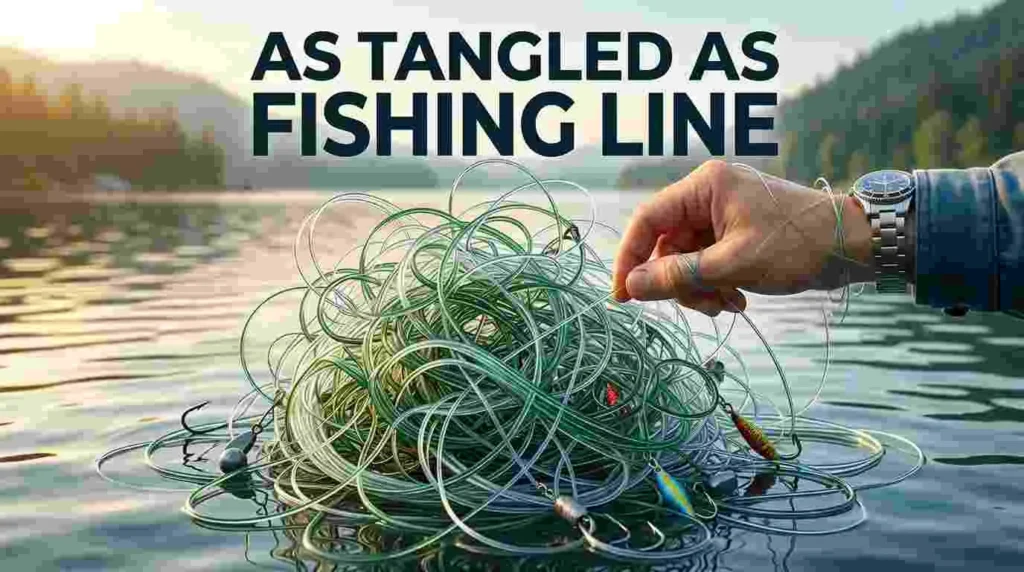
Detailed Explanation: Represents messy situations.
Tone: Descriptive
Examples
- His explanation became as tangled as a fishing line.
- I felt as tangled as fishing line.
- She looked as tangled as fishing line.
Like a duck climbing a ladder
Meaning: Naturally clumsy.
Detailed Explanation: Creates a funny mental image.
Tone: Humorous
Examples
- He climbed like a duck climbing a ladder.
- I felt like a duck climbing a ladder.
- She moved like a duck climbing a ladder.
As hesitant as a knock at midnight
Meaning: Extremely uncertain.
Detailed Explanation: Captures reluctance and caution.
Tone: Dramatic
Examples
- He spoke as hesitantly as a knock at midnight.
- I felt as hesitant as a knock at midnight.
- She acted as hesitantly as if it were a knock at midnight.
Like a bookmark in the wrong book
Meaning: Out of place.
Detailed Explanation: Suggests not belonging.
Tone: Thoughtful
Examples
- He felt like a bookmark in the wrong book.
- She looked like a bookmark in the wrong book.
- I seemed like a bookmark in the wrong book.
As clumsy as mittens tying shoelaces
Meaning: Very awkward.
Detailed Explanation: Shows difficulty performing simple tasks.
Tone: Humorous
Examples
- He looked as clumsy as mittens tying shoelaces.
- I felt as clumsy as mittens tying shoelaces.
- She moved as clumsily as mittens tying shoelaces.
Like a whisper in a thunderstorm
Meaning: Easily overlooked.
Detailed Explanation: Describes someone struggling to be noticed.
Tone: Poetic
Examples
- I felt like a whisper in a thunderstorm.
- He seemed like a whisper in a thunderstorm.
- She stood like a whisper in a thunderstorm.
As uncertain as footprints in the tide
Meaning: Lacking confidence.
Detailed Explanation: Suggests instability.
Tone: Reflective
Examples
- He felt as uncertain as footprints in the tide.
- I looked as uncertain as footprints in the tide.
- She sounded as uncertain as footprints in the tide.
Like a fork at a soup party
Meaning: Completely unsuitable.
Detailed Explanation: Highlights being in the wrong situation.
Tone: Humorous
Examples
- He looked like a fork at a soup party.
- I felt like a fork at a soup party.
- She seemed like a fork at a soup party.
As quiet as a forgotten apology
Meaning: Uncomfortably silent.
Detailed Explanation: Shows silence filled with tension.
Tone: Emotional
Examples
- The room felt as quiet as a forgotten apology.
- He stood as quiet as a forgotten apology.
- She remained as quiet as a forgotten apology.
Like a kite without wind
Meaning: Lacking confidence.
Detailed Explanation: Unable to move forward naturally.
Tone: Gentle
Examples
- I felt like a kite without wind.
- He looked like a kite without wind.
- She seemed like a kite without wind.
As misplaced as socks in a kitchen
Meaning: Obviously out of place.
Detailed Explanation: Shows poor fit with surroundings.
Tone: Humorous
Examples
- He appeared as misplaced as socks in a kitchen.
- I felt as misplaced as socks in a kitchen.
- She stood as misplaced as socks in a kitchen.
Like a robot at a dance party
Meaning: Socially awkward.
Detailed Explanation: Describes someone struggling to fit into social activities.
Tone: Funny
Examples
- He danced like a robot at a dance party.
- I felt like a robot at a dance party.
- She moved like a robot at a dance party.
As nervous as paper near a flame
Meaning: Extremely anxious.
Detailed Explanation: Suggests vulnerability.
Tone: Dramatic
Examples
- He looked as nervous as paper near a flame.
- I felt as nervous as paper near a flame.
- She became as nervous as paper near a flame.
Like a tourist without a map
Meaning: Unsure what to do.
Detailed Explanation: Shows confusion in unfamiliar places.
Tone: Casual
Examples
- He looked like a tourist without a map.
- I felt like a tourist without a map.
- She wandered like a tourist without a map.
As uncomfortable as a tight collar
Meaning: Feeling trapped or uneasy.
Detailed Explanation: Represents physical and emotional discomfort.
Tone: Neutral
Examples
- He felt as uncomfortable as a tight collar.
- I looked as uncomfortable as a tight collar.
- She seemed as uncomfortable as a tight collar.
Like a candle in broad daylight
Meaning: Feeling unnecessary.
Detailed Explanation: Suggests a lack of purpose in the moment.
Tone: Reflective
Examples
- He stood like a candle in broad daylight.
- I felt like a candle in broad daylight.
- She appeared like a candle in broad daylight.
As unsure as an echo without a voice
Meaning: Deeply uncertain.
Detailed Explanation: Captures hesitation and self-doubt.
Tone: Poetic
Examples
- He sounded as unsure as an echo without a voice.
- I felt as unsure as an echo without a voice.
- She remained as unsure as an echo without a voice.
Top 10 Similes For Awkward
| Simile | Meaning | Tone |
| Like a penguin wearing roller skates | Clumsy and uncomfortable | Humorous |
| As out of place as a snowman on the beach | Completely out of place | Lighthearted |
| Like a cat in a room full of rocking chairs | Nervous and cautious | Humorous |
| Like a robot at a dance party | Socially awkward | Funny |
| Like a puzzle piece from another box | Does not fit in | Thoughtful |
| As shaky as jelly on a plate | Very nervous | Humorous |
| Like a tourist without a map | Confused and unsure | Casual |
| As uncomfortable as a tight collar | Uneasy and trapped | Neutral |
| Like a fork at a soup party | Unsuitable for the situation | Humorous |
| As stiff as a cardboard statue | Rigid and uncomfortable | Descriptive |
Conclusion
Using Similes For Awkwardness is a simple yet powerful way to make your writing more expressive, relatable, and memorable. Instead of merely saying that someone felt uncomfortable or embarrassed, a well-crafted simile paints a vivid picture that helps readers connect with the moment. Whether you are writing fiction, personal stories, essays, blog posts, or everyday conversations, these comparisons bring emotions and situations to life with clarity and creativity. The best similes feel natural, match the tone of your writing, and make readers smile, empathize, or imagine the scene instantly.
As you continue improving your writing, experiment with different Similes For Awkward to discover which ones fit your style and audience. With thoughtful use, these creative comparisons can transform ordinary descriptions into engaging storytelling that leaves a lasting impression while making your words more colorful, meaningful, and enjoyable to read.
FAQs
What are Similes For Awkward?
Similes for Awkward are comparisons that describe uncomfortable, embarrassing, clumsy, or socially uneasy situations by using words such as “like” or “as.” They help readers picture awkward moments more clearly and make writing more engaging and expressive.
Why should I use similes for awkwardness in my writing?
These similes make descriptions more vivid and memorable. Instead of simply saying someone felt awkward, you create a stronger image that helps readers understand the situation and connect with the emotions. They also add creativity and variety to your writing.
Are Similes For Awkward suitable for formal writing?
Yes, they can work in formal writing when used carefully and sparingly. They are especially effective in speeches, creative essays, and narrative writing. However, highly technical or academic documents usually require more direct and literal language.
How are similes different from metaphors?
A simile compares two different things by using words like “as” or “like,” while a metaphor makes a direct comparison without those words. Similes often make descriptions easier to understand because they clearly signal the comparison.
Can children use similes for awkwardness?
Yes. These similes are easy to understand and can help children improve their vocabulary, storytelling, and descriptive writing. Teachers often use similes to encourage students to write more imaginative and engaging sentences.
How can I create my own similes for awkwardness?
Think about an awkward feeling or situation, then compare it to something familiar that creates a similar image. Choose comparisons that are easy to imagine, original, and appropriate for your audience to make your writing more effective.
Should I use many similes in one paragraph?
It is better to use similes in moderation. Too many comparisons in one paragraph can distract readers and reduce their impact. A few well-chosen similes usually create stronger and more natural writing than constant comparisons.
What tone do similes for awkwardness usually create?
They can create many different tones depending on the comparison. Some feel humorous and playful, while others sound thoughtful, dramatic, or emotional. Selecting the right simile helps match the mood of your writing.
Can Similes for Awkward improve storytelling?
Yes. They help readers visualize scenes, understand characters’ emotions, and remember important moments. A creative simile often makes an ordinary description feel more realistic and enjoyable, improving the overall storytelling experience.
What mistakes should I avoid when using Similes for awkwardness?
Avoid overused comparisons, confusing imagery, and similes that do not fit the context. Always choose comparisons that sound natural, support your message, and enhance the reader’s understanding instead of making the sentence more complicated.