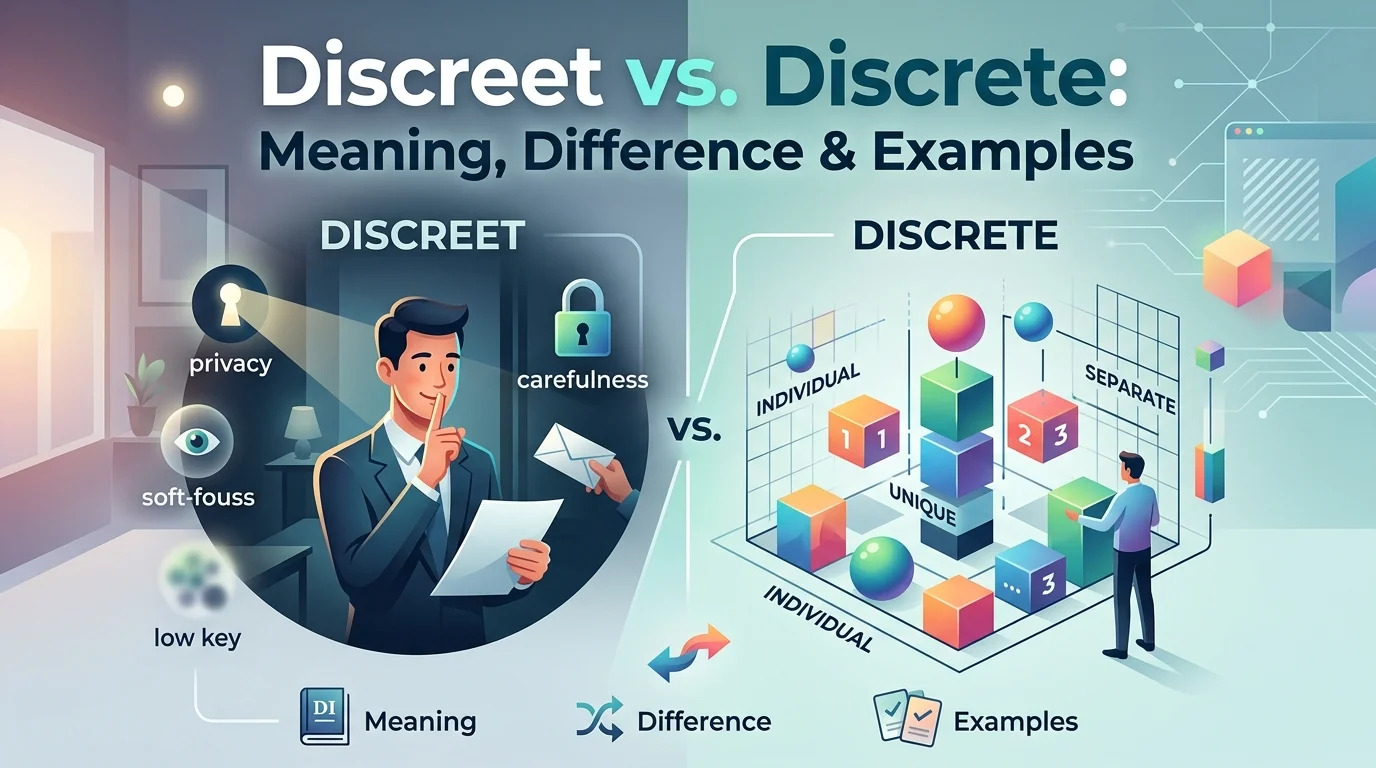
Discreet vs. Discrete: Meaning, Difference & Examples
Many English learners confuse discreet and discrete because they look and sound very similar. However, these two words have completely different meanings and are used … Read More
Many English learners confuse discreet and discrete because they look and sound very similar. However, these two words have completely different meanings and are used … Read More
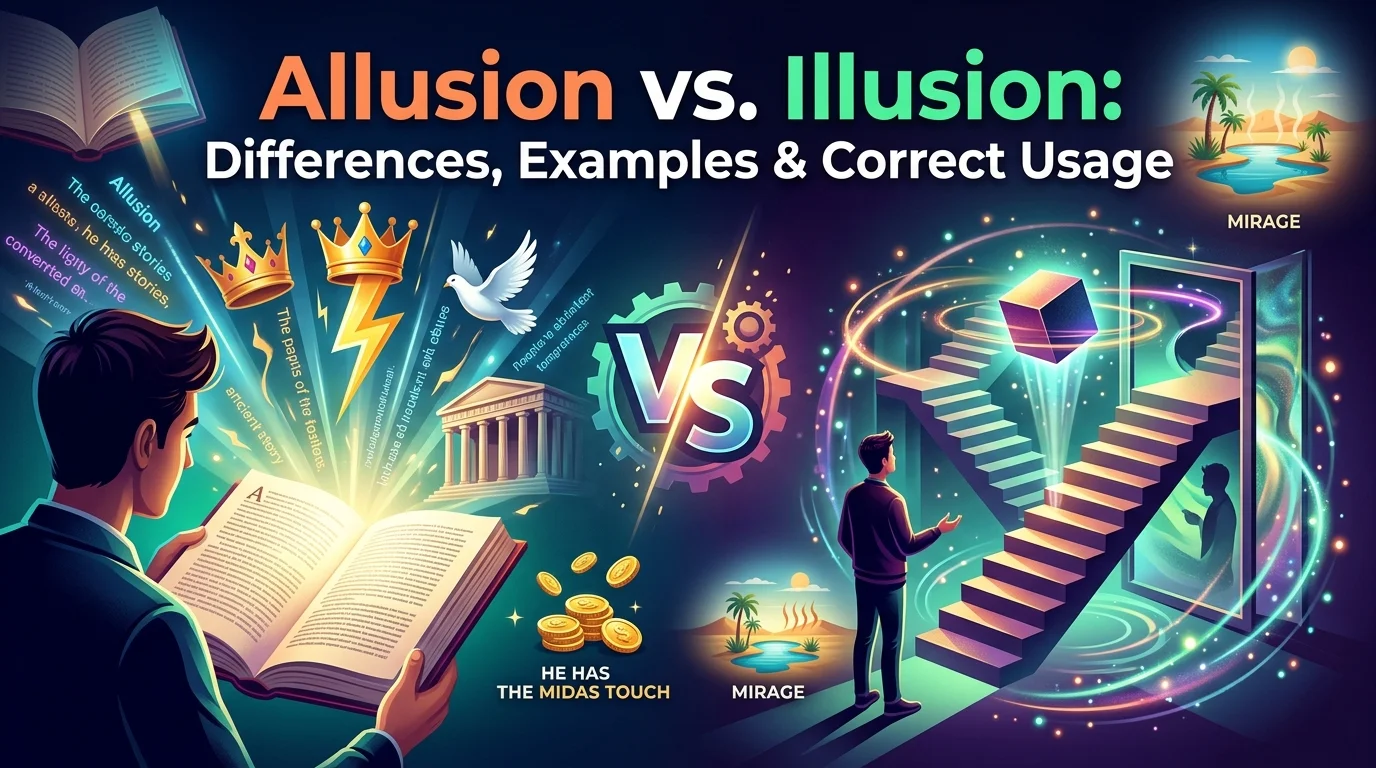
Many English learners confuse allusion vs. illusion because the words look and sound similar. However, they have completely different meanings and are used in different … Read More
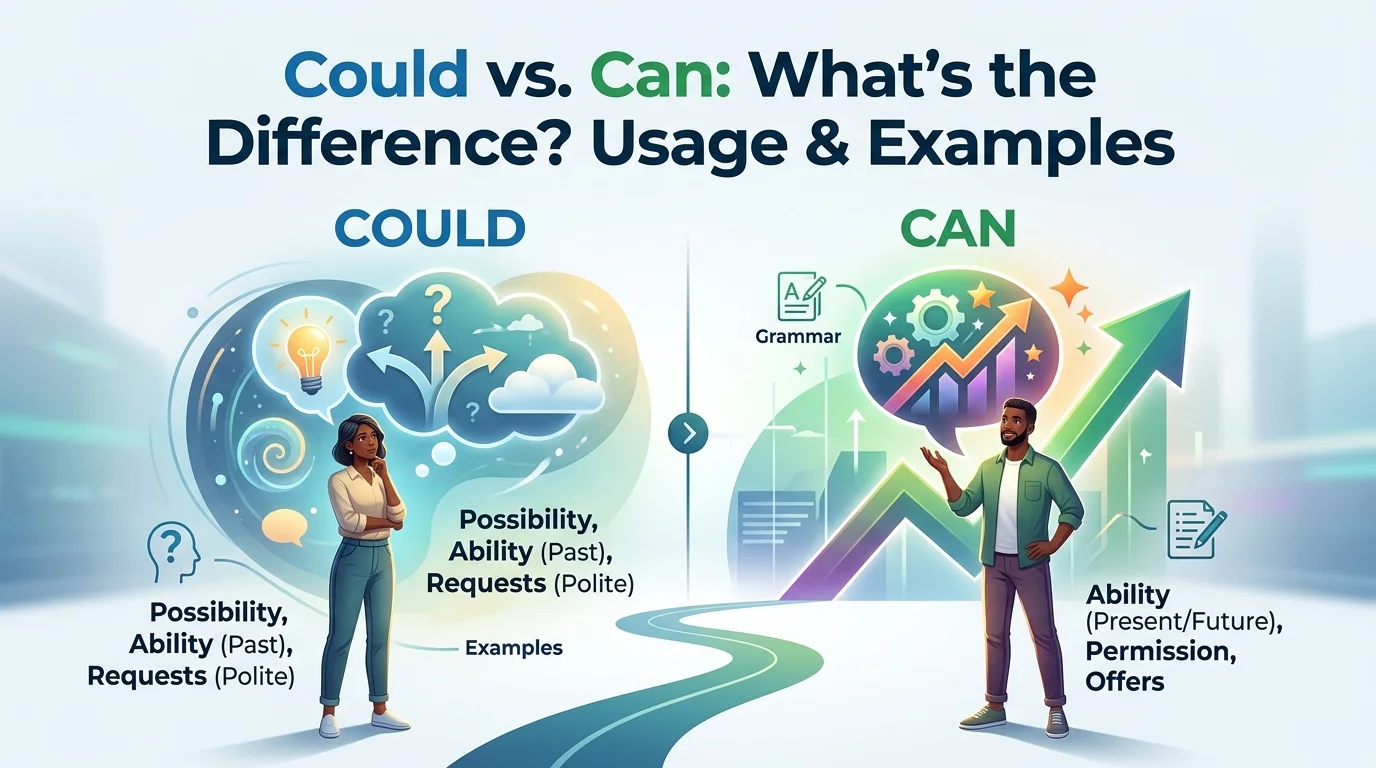
Understanding the difference between could and can is important because both words are used to talk about ability, possibility, and requests. Although they are closely … Read More
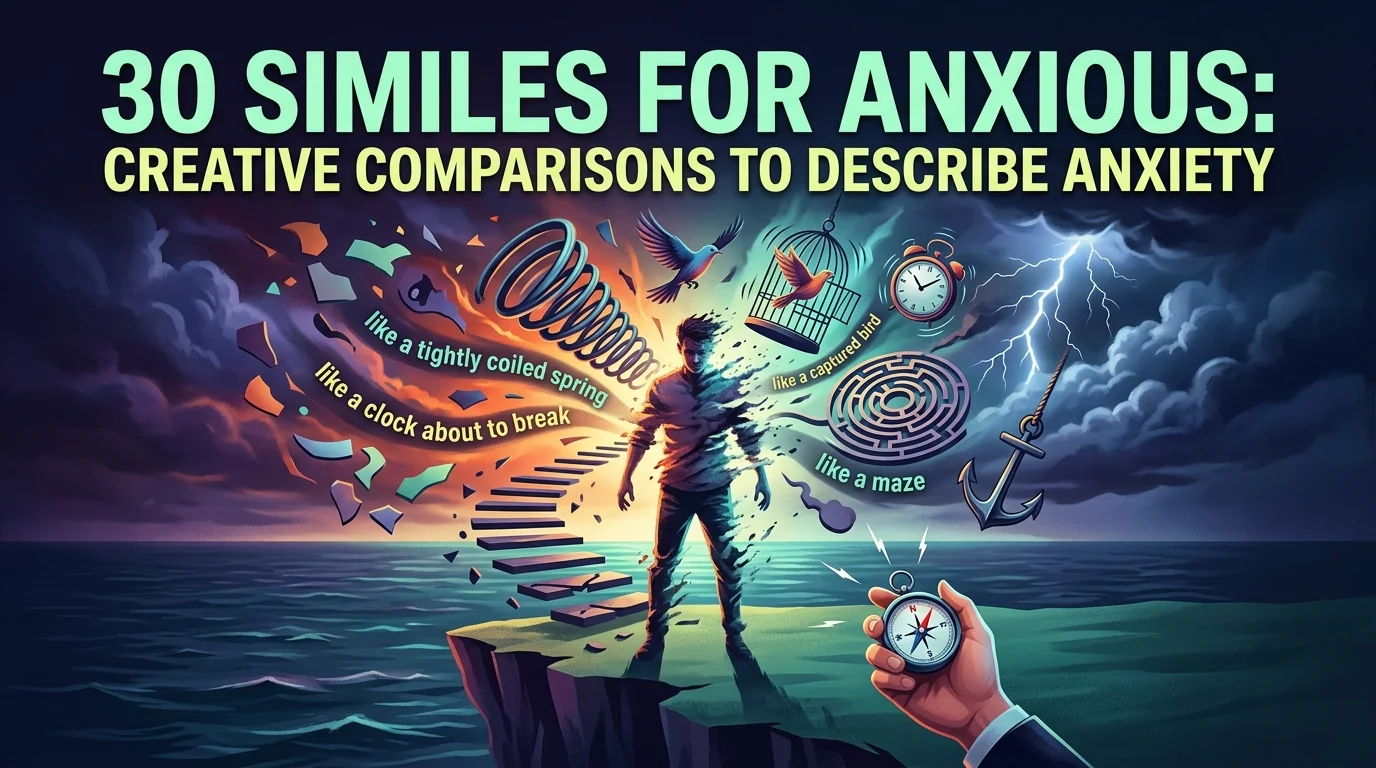
Feeling anxious is a common human experience, but describing it in fresh, vivid ways can make your writing more engaging and relatable. The Best Similes … Read More
Many English learners get confused between “that’s mean” vs. “that means” because they sound somewhat similar in casual speech. However, only one of these forms … Read More
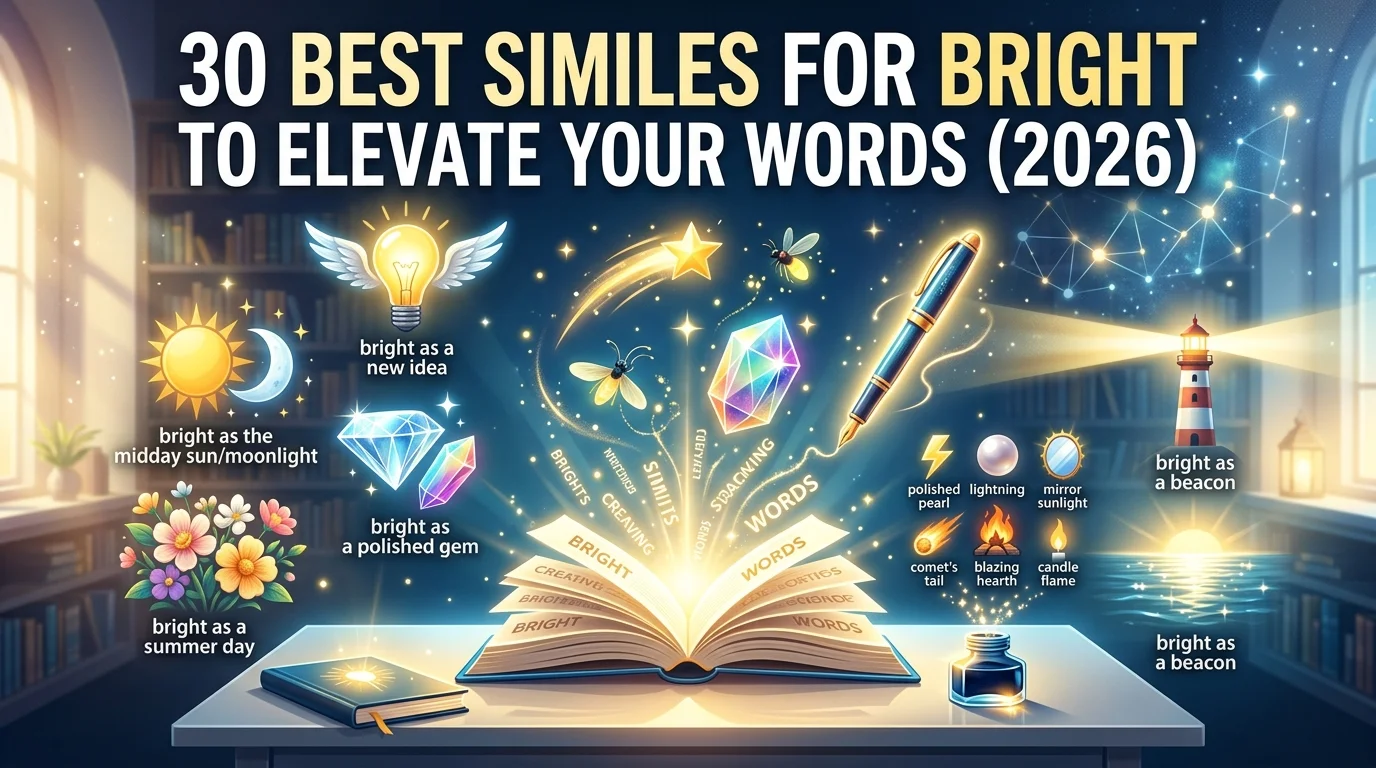
Best Similes for Bright help writers create vivid descriptions that capture attention and paint memorable images. Whether you describe a glowing smile, a shining star, … Read More
Being able to describe something that moves or happens slowly can make your writing more vivid and engaging. Best similes for slow help readers picture … Read More
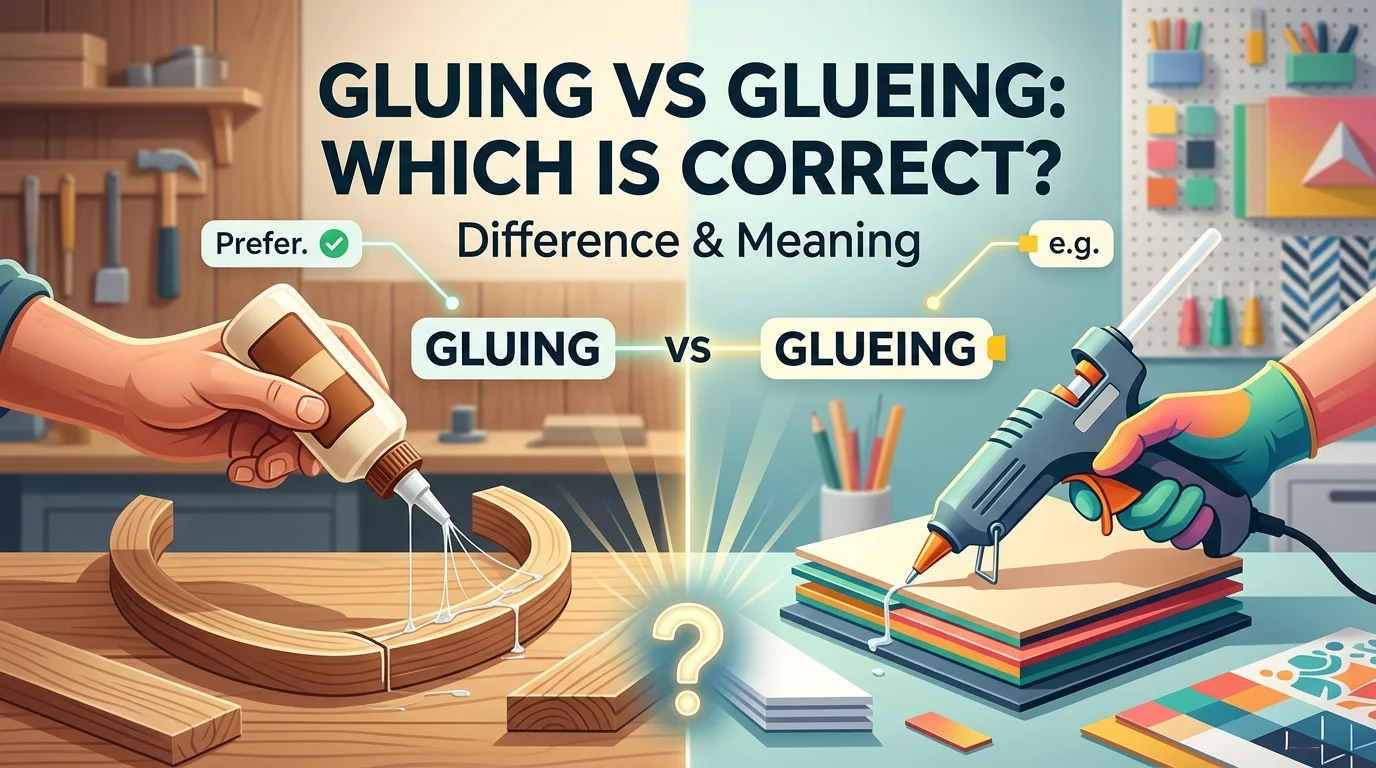
The comparison between gluing vs glueing often confuses English learners because both words describe the action of using glue to attach objects. While they have … Read More
Feeling worried is a universal experience, but describing it in fresh and vivid ways can make your writing much more engaging. Similes for Worried help … Read More
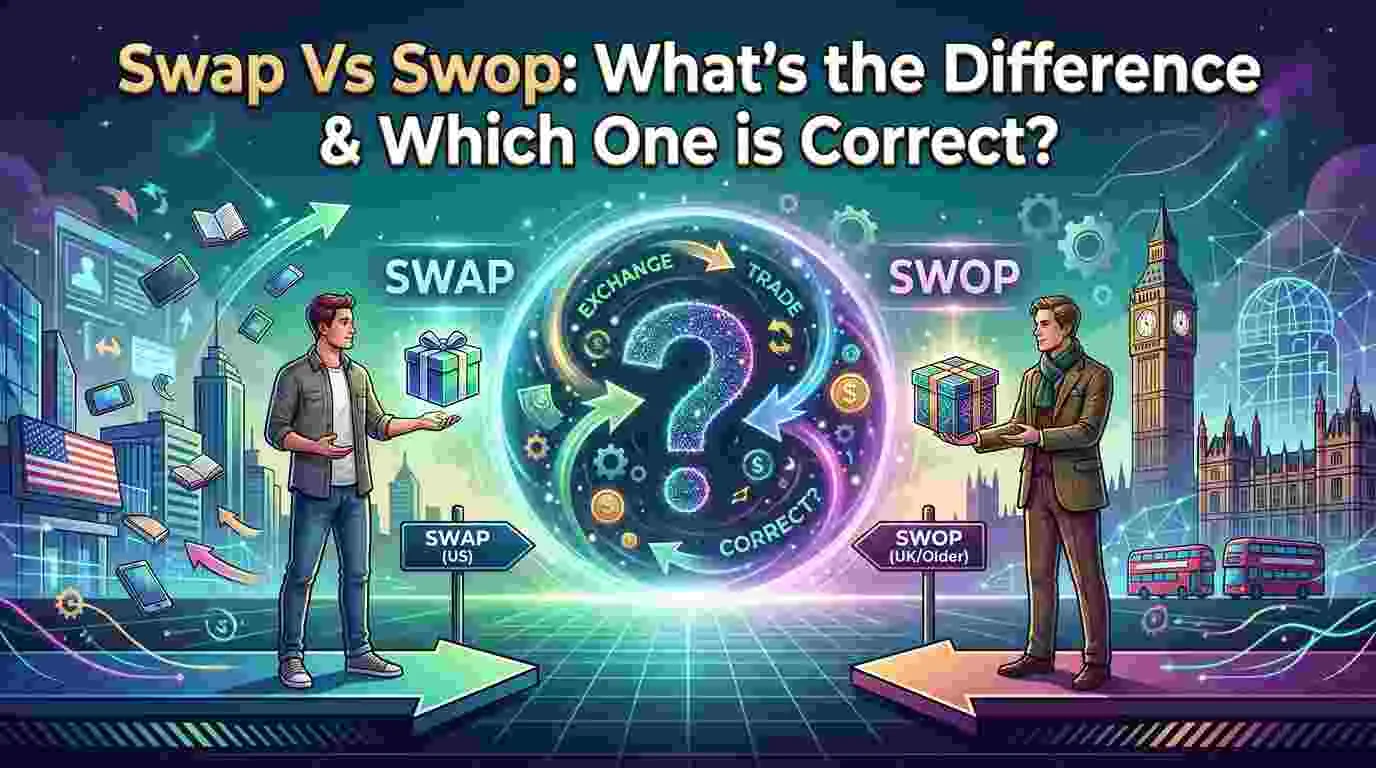
The words swap vs. swop often confuse English learners because they have the same meaning and are used in similar situations. Both words refer to … Read More
We provide clear, practical, and easy-to-understand grammar resources designed to help students, writers, professionals, and English learners communicate with greater confidence and accuracy.