Mother Tongue Vs. Native Language: What is the Real Difference?
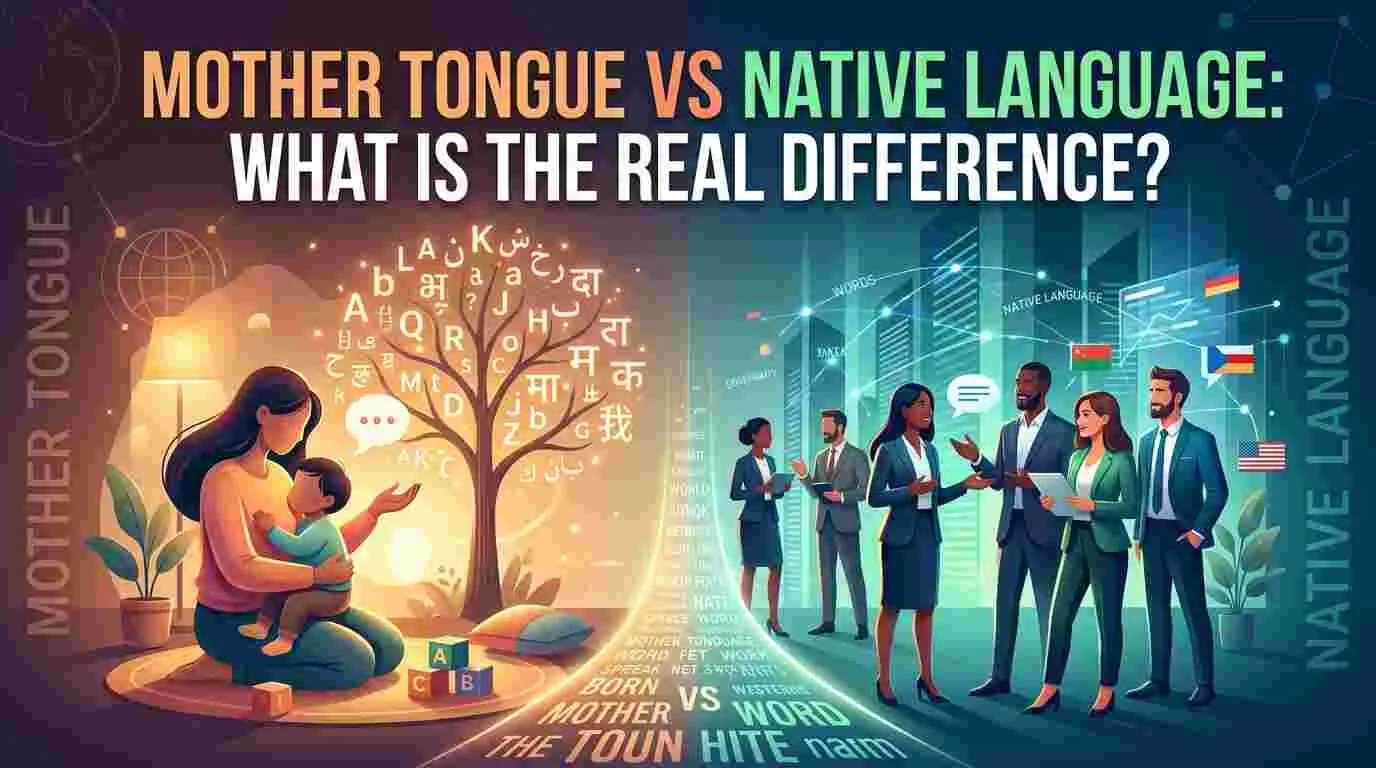
The terms mother tongue vs. native language are often used interchangeably, but they don’t always mean the same thing. Both describe a person’s connection with a language, … Read More
Many English learners get confused between ” even though “ vs. even though because they look almost identical. However, only one of them is considered … Read More
Many English learners confuse headed vs heading because both come from the verb head, but they are used differently. Understanding the difference is important for … Read More
Many English words look or sound similar but have completely different meanings. Quaff and Coif are excellent examples. Although they differ by only one letter, … Read More
Time is something everyone experiences, but describing how quickly it passes can sometimes create grammar confusion. Many learners wonder whether they should say “time has … Read More
Many English learners get confused between taken vs taking because both come from the verb take, but they are used in different grammatical forms. Understanding … Read More
Many English learners get confused between year-old vs years old because both relate to age, but are used differently depending on grammar and sentence structure. Understanding … Read More
Metaphors to Describe Stars help writers create vivid, memorable descriptions of the night sky, characters, emotions, and magical scenes. Whether you are writing a story, … Read More
Friendship is one of life’s greatest treasures, and the right simile can make your writing more vivid, emotional, and memorable. Similes for Friendship help describe … Read More