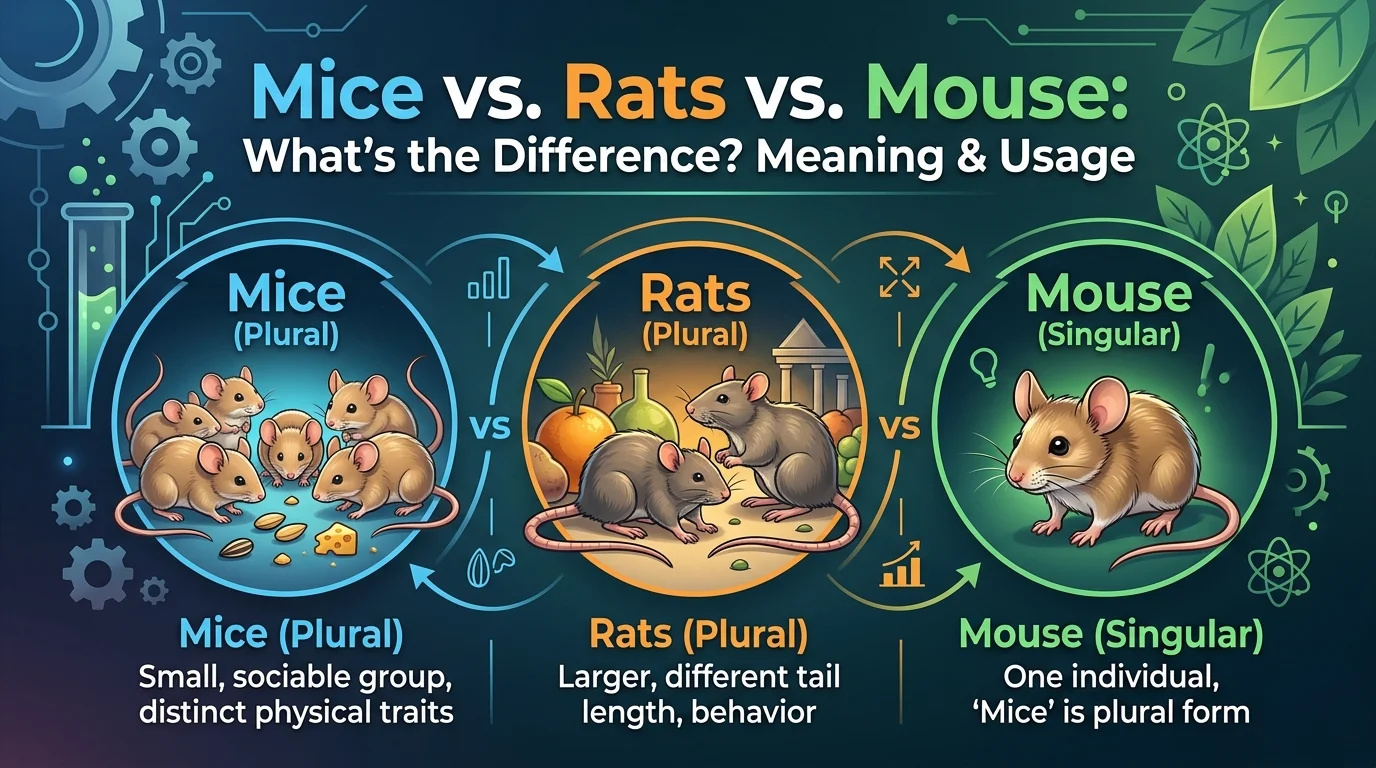
Mice vs. Rats vs. Mouse: What’s the Difference? Meaning & Usage
Many people use the words mice vs. rat vs. mouse interchangeably, but they do not mean the same thing. Mouse and rat refer to different … Read More
Many people use the words mice vs. rat vs. mouse interchangeably, but they do not mean the same thing. Mouse and rat refer to different … Read More
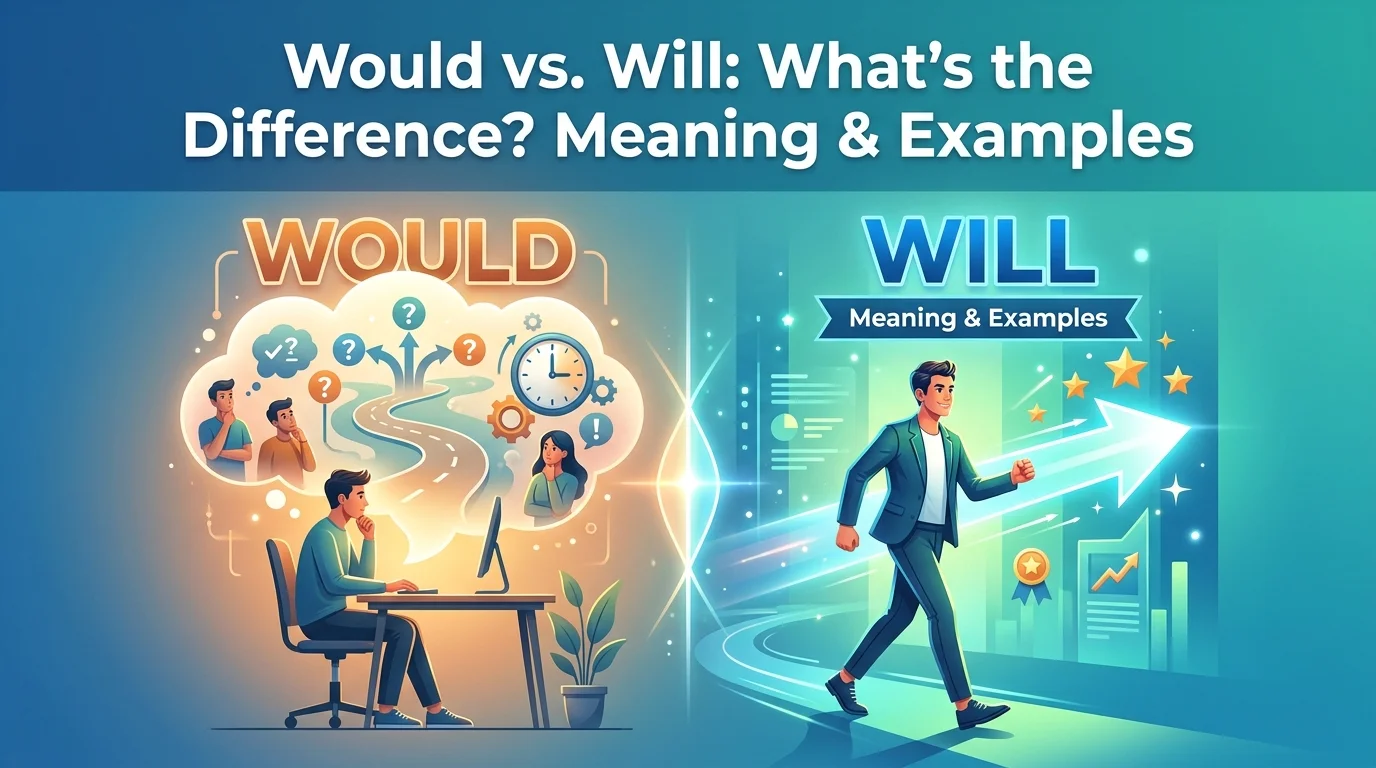
Choosing between would vs. will can be confusing because both words talk about future actions, intentions, or possibilities. However, they are used in different situations … Read More
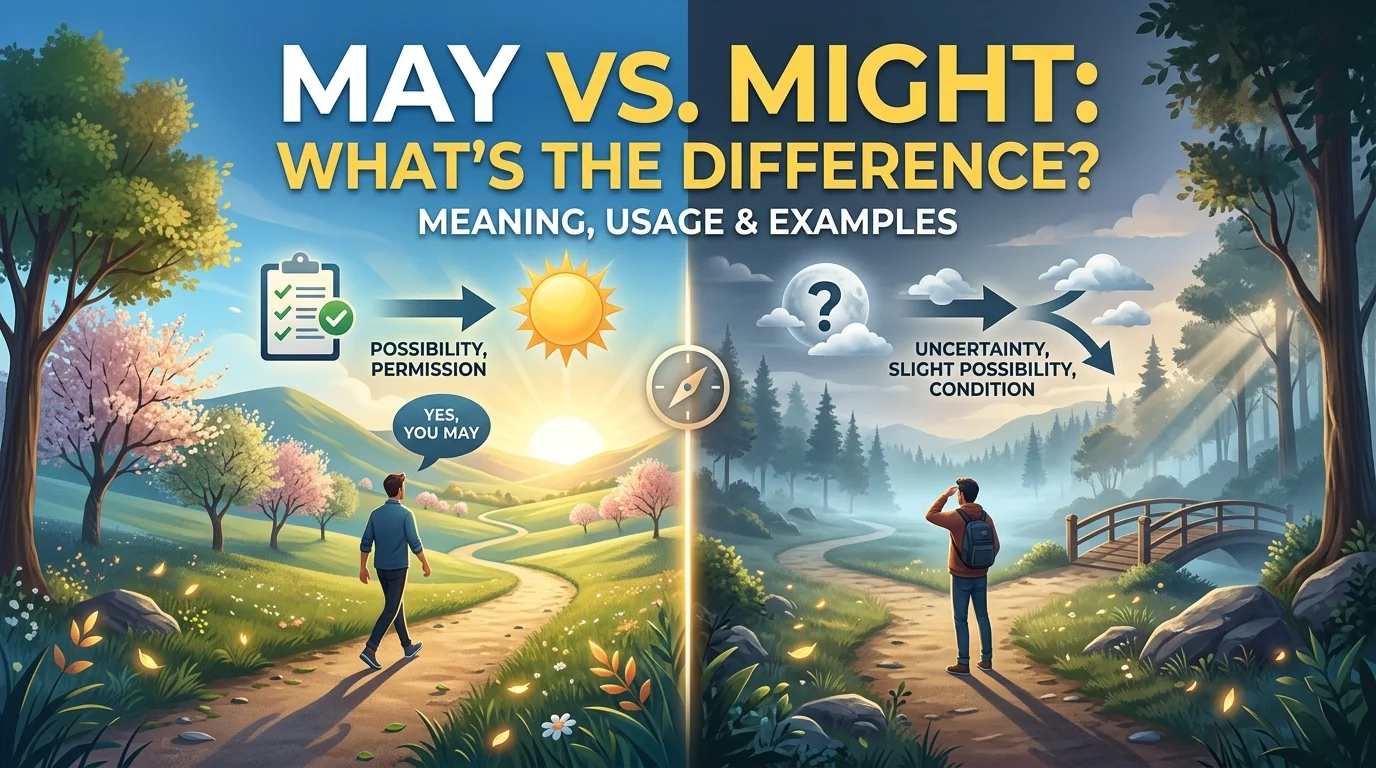
May and might are two common English modal verbs that often confuse learners because they both express possibility and permission. While they are similar, they … Read More
The difference between world class and world-class often confuses English learners and even experienced writers. Although the two forms look almost identical, they are not … Read More

Confidence can make a person stand out in any situation, and using vivid similes helps describe that confidence memorably. Whether you are writing a story, … Read More
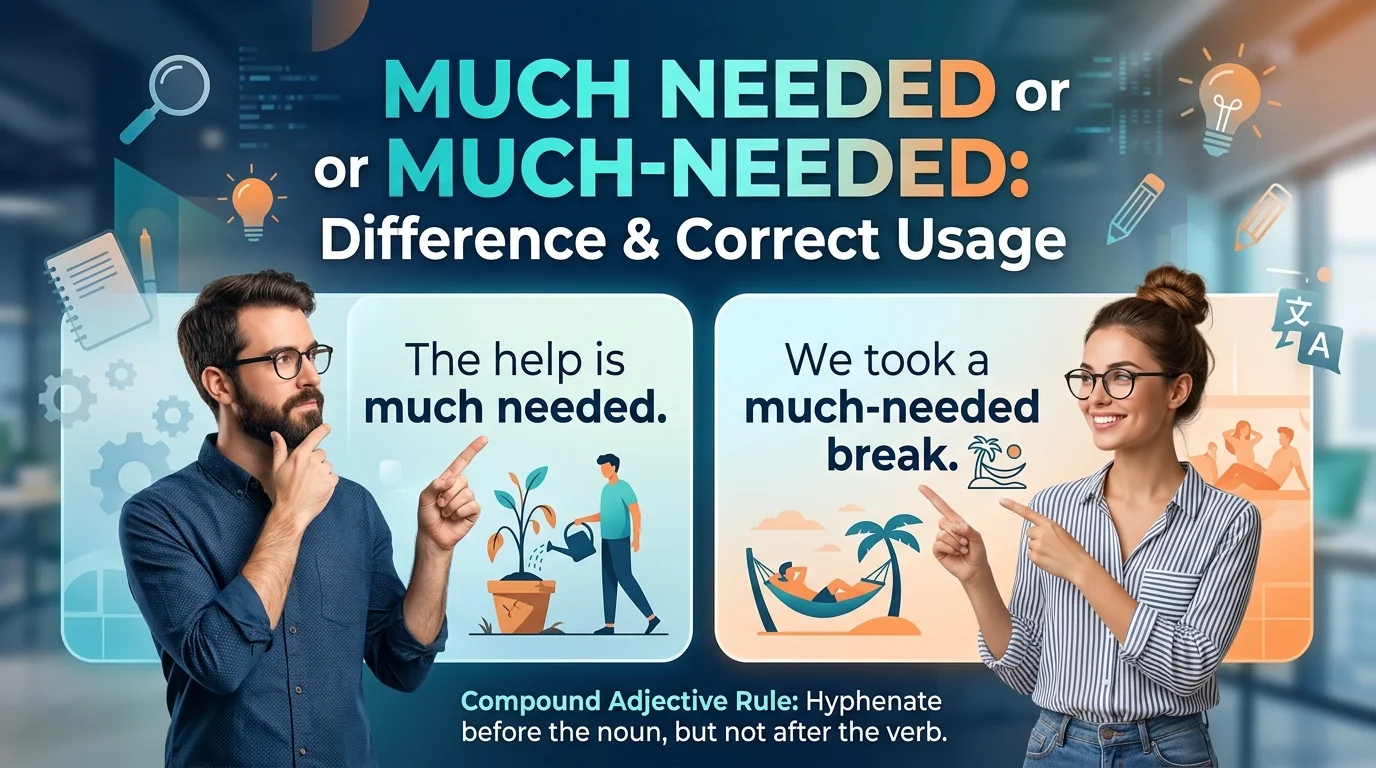
Many English learners get confused between much needed or much-needed because both look almost identical. The difference is not in meaning but in grammar and … Read More
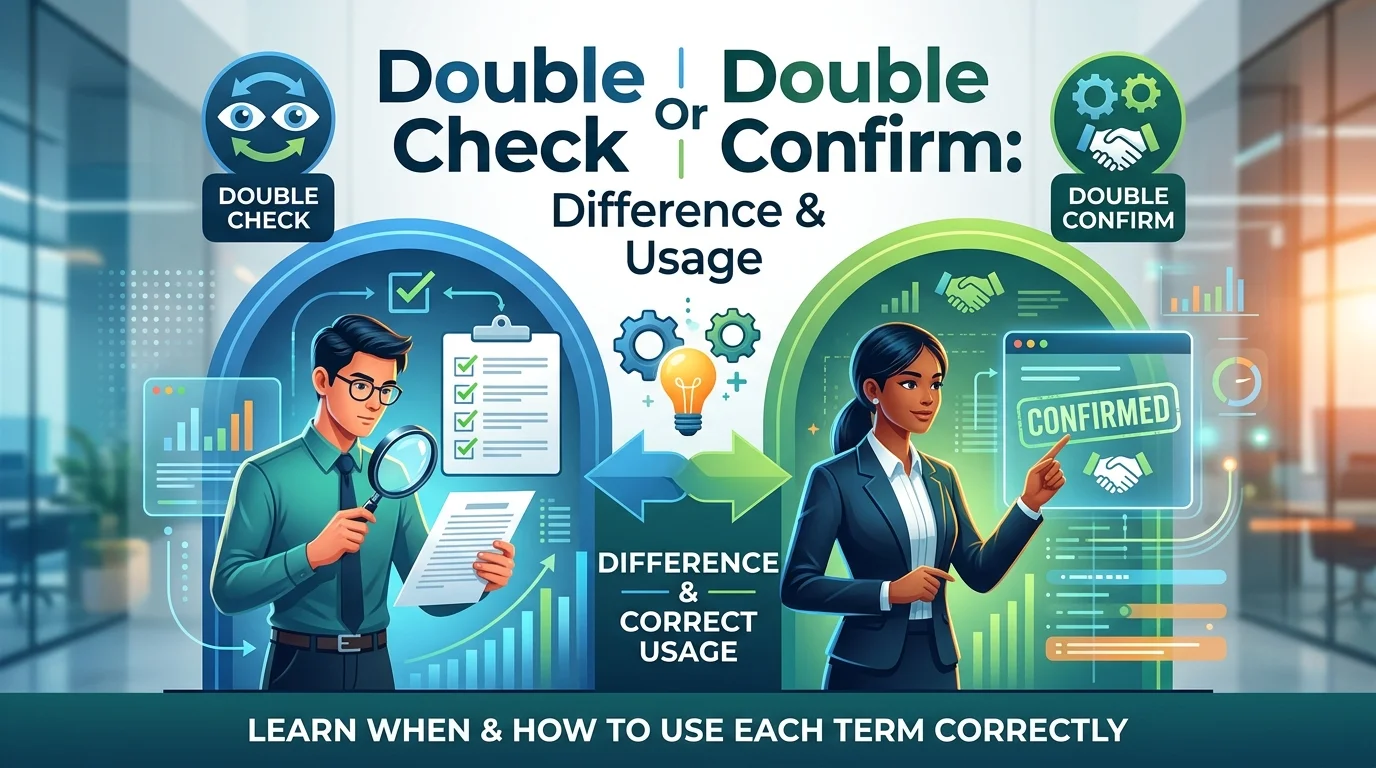
Many English learners wonder whether double check and double confirm mean the same thing. Although both expressions relate to making sure something is correct, they … Read More
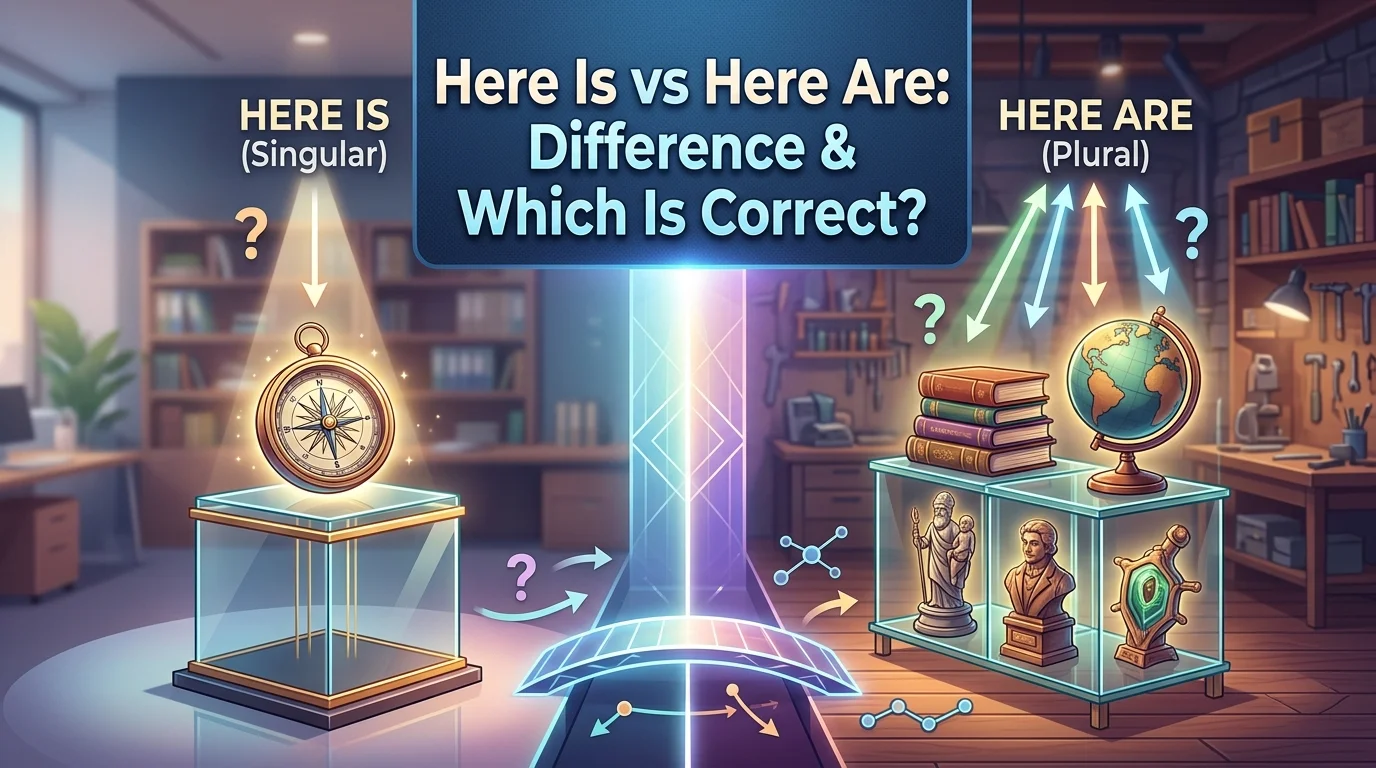
Many English learners get confused between “here is” vs “here are” because both are used to introduce people, objects, or information. The difference is actually … Read More
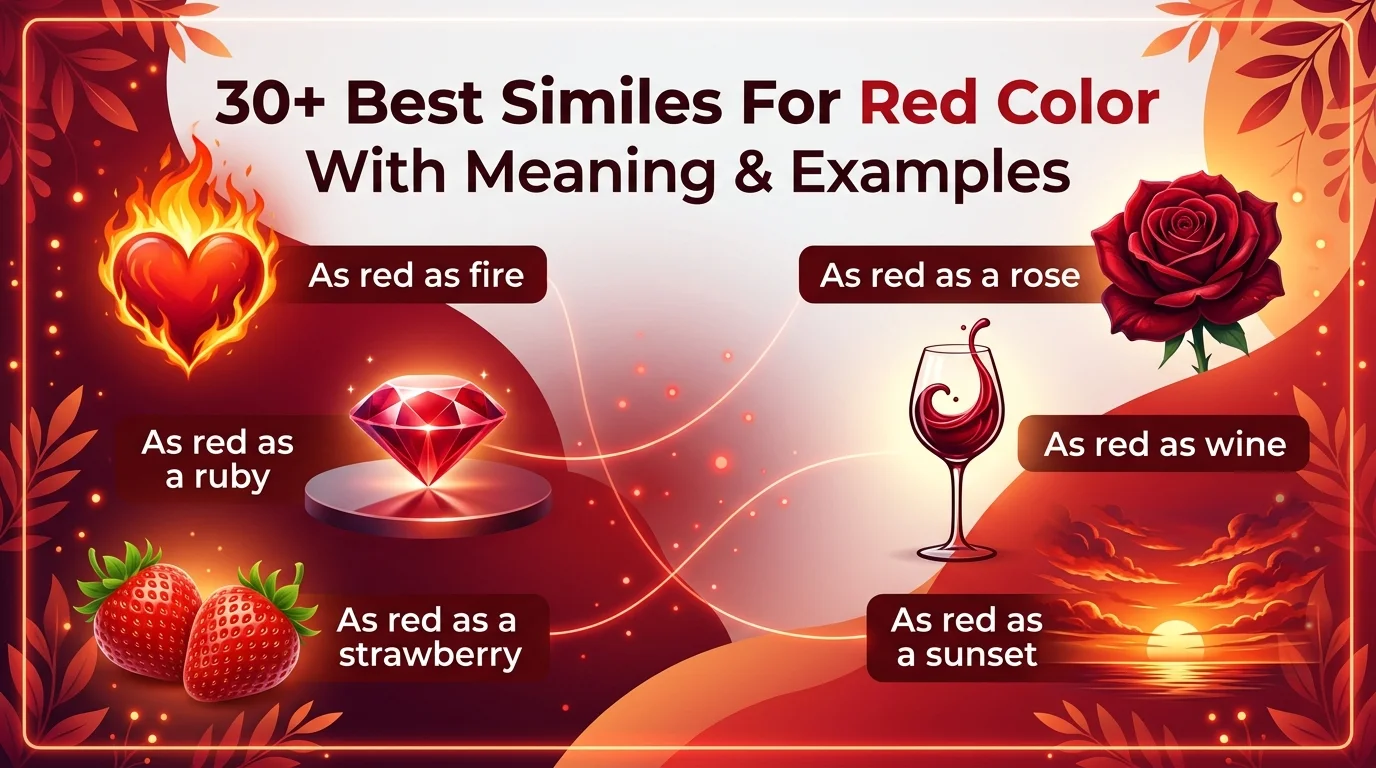
Colors make writing more vivid, and Similes For Red help readers picture emotions, objects, and scenes with ease. Whether you want to describe a blazing … Read More

Crying is one of the strongest ways people express emotions. Tears can show sadness, happiness, relief, fear, frustration, or even gratitude. Using Similes For Crying … Read More

We provide clear, practical, and easy-to-understand grammar resources designed to help students, writers, professionals, and English learners communicate with greater confidence and accuracy.