50 Similes For Crying to Make Your Writing More Emotional
Crying is one of the strongest ways people express emotions. Tears can show sadness, happiness, relief, fear, frustration, or even gratitude. Using Similes For Crying … Read More
Crying is one of the strongest ways people express emotions. Tears can show sadness, happiness, relief, fear, frustration, or even gratitude. Using Similes For Crying … Read More

Many English learners get confused between “it’s worth it” and “it is rewarding“ because they look similar. However, only one of these expressions is grammatically … Read More
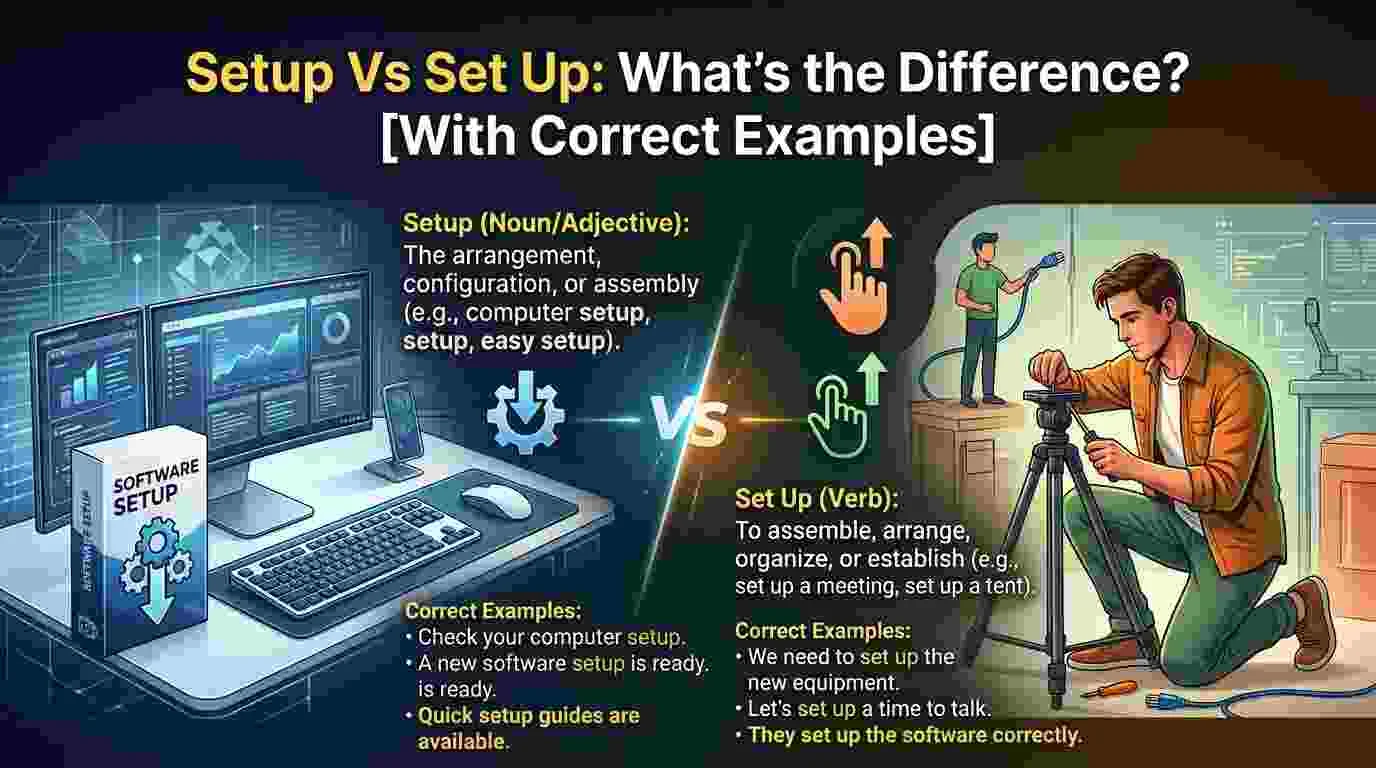
Many people confuse setup vs. set up because they look almost identical but have different grammatical roles and meanings. While one is usually a noun … Read More
“Thanks a lot” vs. “thank you” are both common ways to show appreciation, but they are not always used in the same situations. Understanding the … Read More
Similes for Problems help writers describe challenges, difficulties, and obstacles more vividly and memorably. Instead of simply saying a problem is “hard” or “complicated,” a … Read More
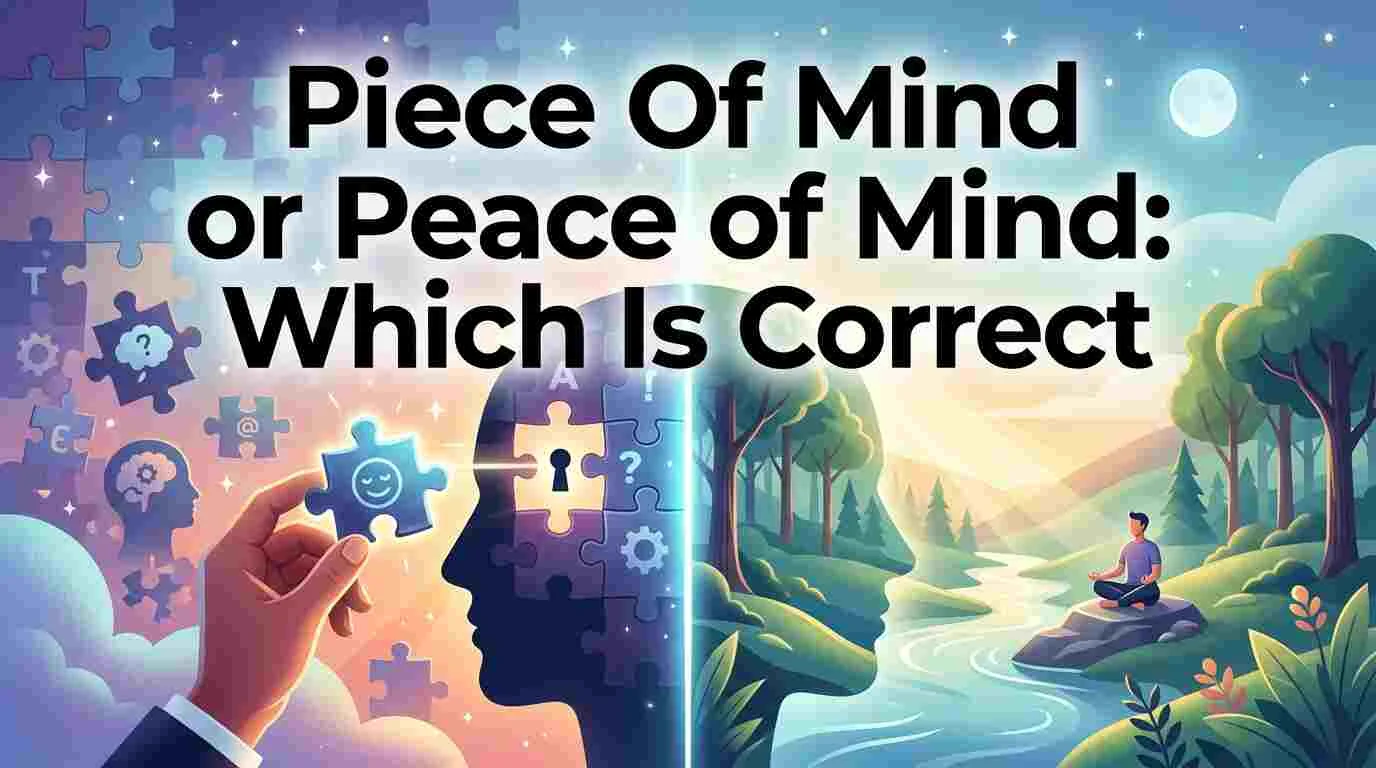
Many English learners confuse piece of mind ” and ” peace of mind because they sound almost identical. However, only one of these expressions is … Read More
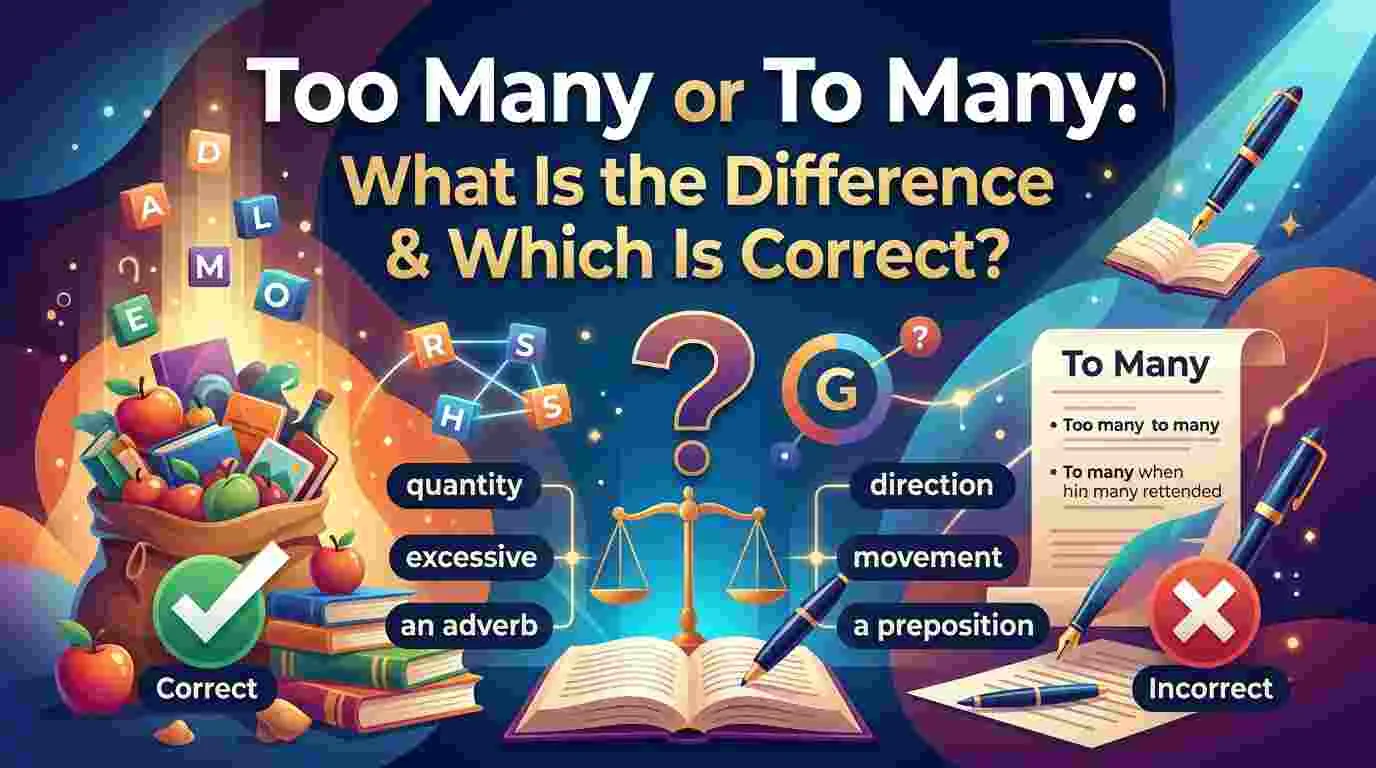
Many English learners get confused between too many and to many because they look almost identical. However, they have different grammatical functions and are used … Read More
Happiness is one of the most powerful emotions people express in conversations, stories, speeches, and creative writing. Using Similes For Being Happy helps you paint … Read More

Angry Similes help writers describe frustration, rage, irritation, and intense emotions with vivid comparisons. Instead of simply saying someone is angry, you can create memorable … Read More
Music can inspire, comfort, energize, and connect people across cultures. Sometimes, ordinary words cannot fully describe how music sounds or feels. That is where similes … Read More
We provide clear, practical, and easy-to-understand grammar resources designed to help students, writers, professionals, and English learners communicate with greater confidence and accuracy.