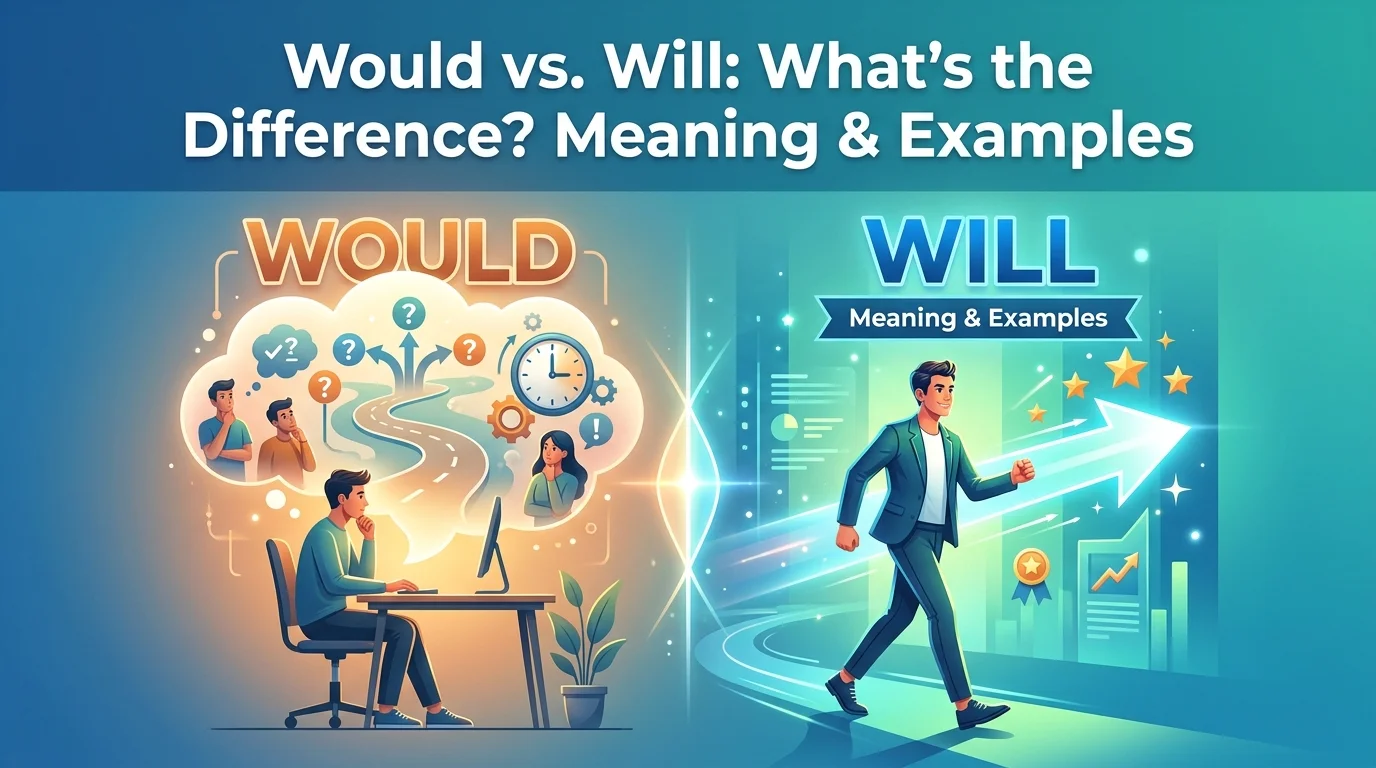
Would vs. Will: What’s the Difference? Meaning & Examples
Choosing between would vs. will can be confusing because both words talk about future actions, intentions, or possibilities. However, they are used in different situations … Read More
Choosing between would vs. will can be confusing because both words talk about future actions, intentions, or possibilities. However, they are used in different situations … Read More
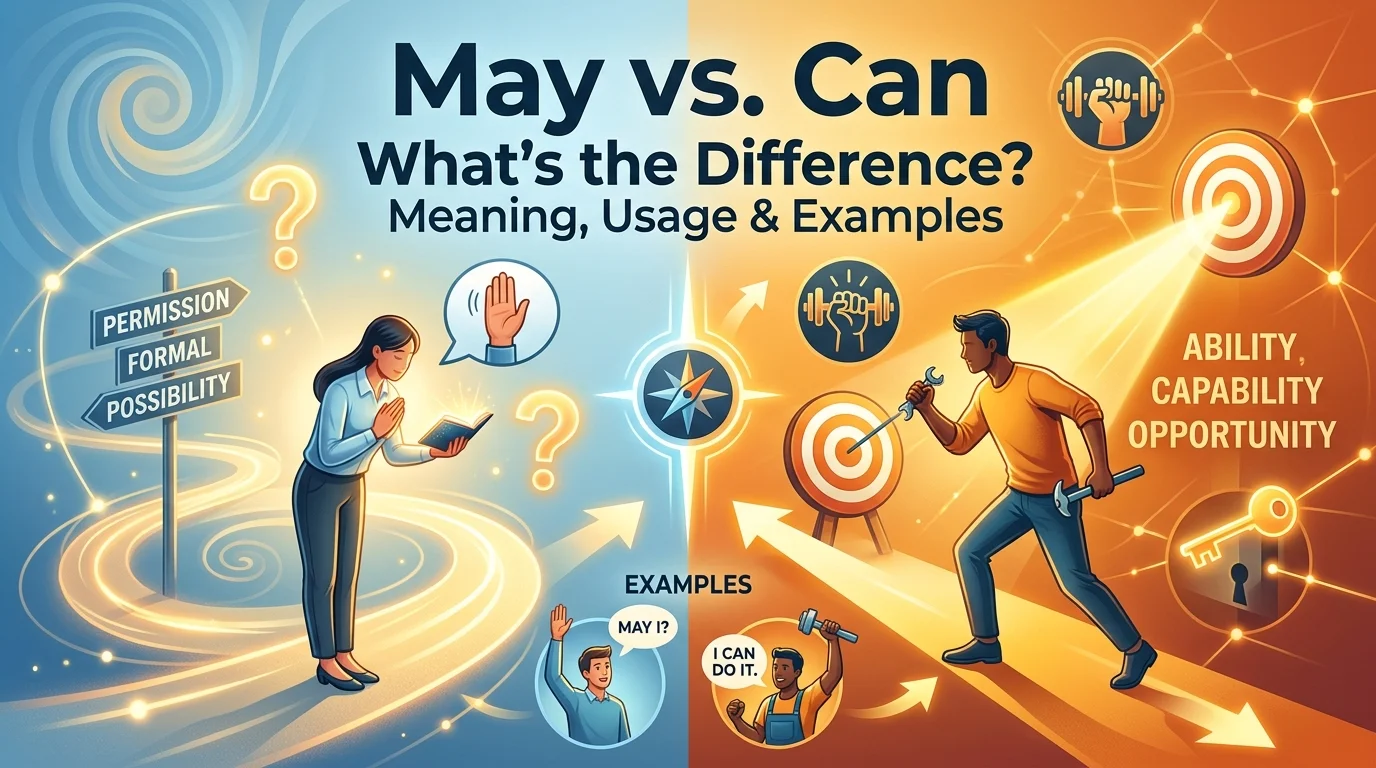
Many English learners wonder whether they should use may or can because both words often seem similar. However, they serve different purposes in grammar and … Read More
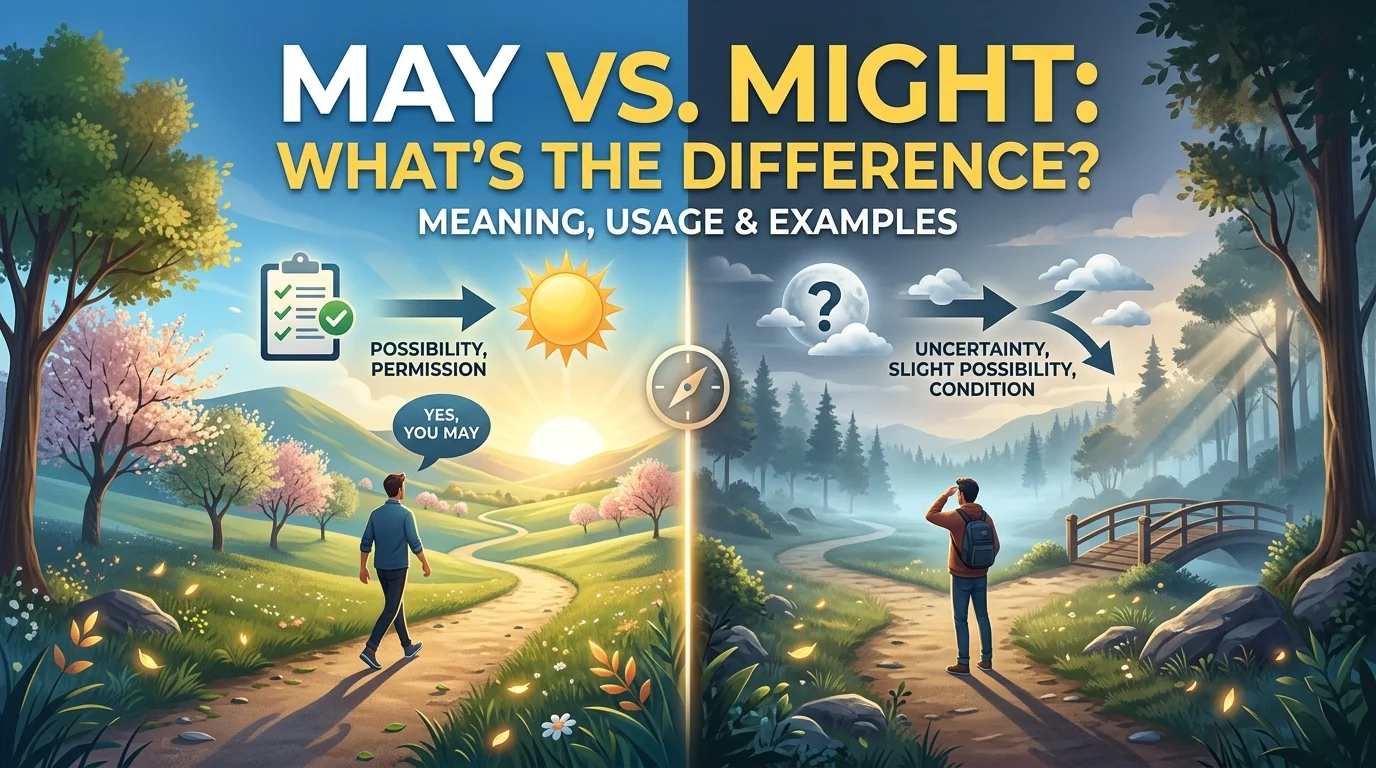
May and might are two common English modal verbs that often confuse learners because they both express possibility and permission. While they are similar, they … Read More
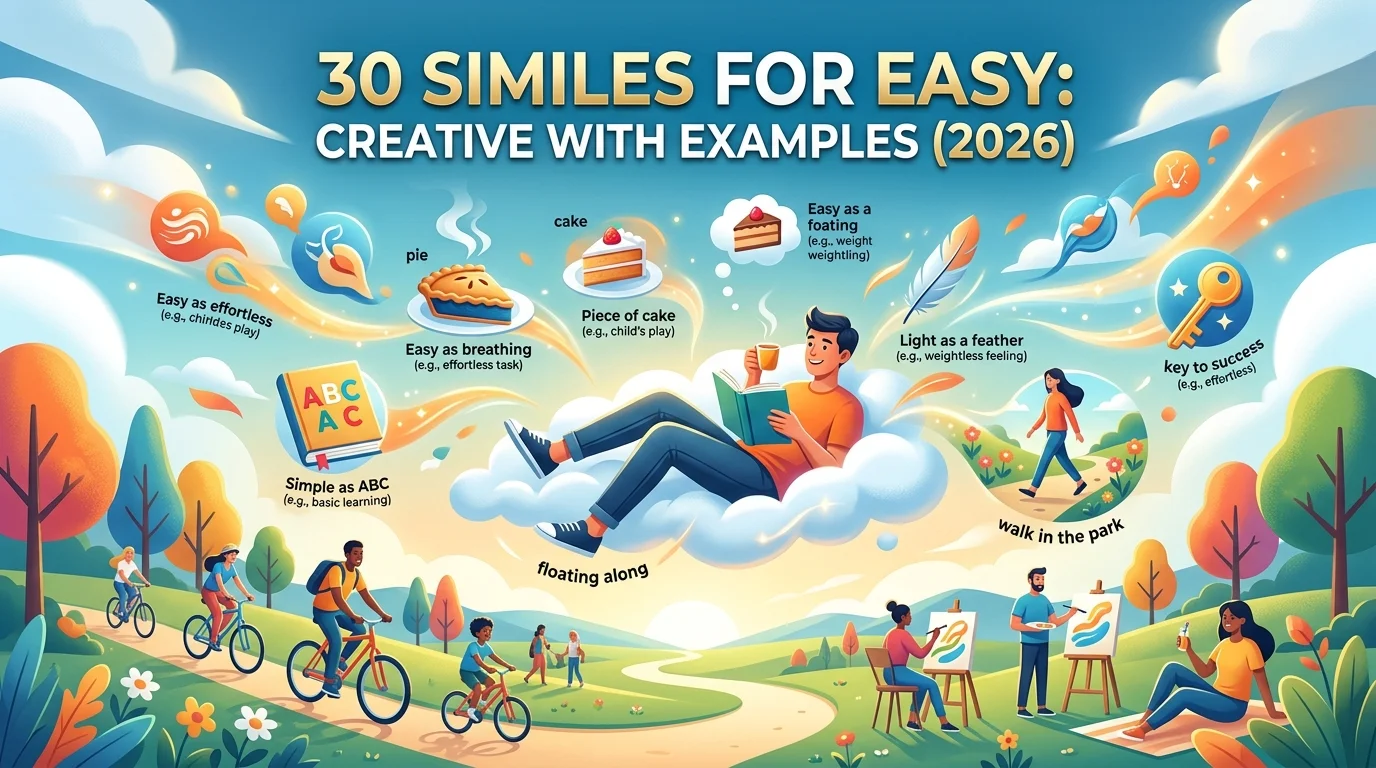
Finding the right words can make your writing more vivid and memorable. Best Similes For Easy help you describe tasks, ideas, or experiences that require … Read More
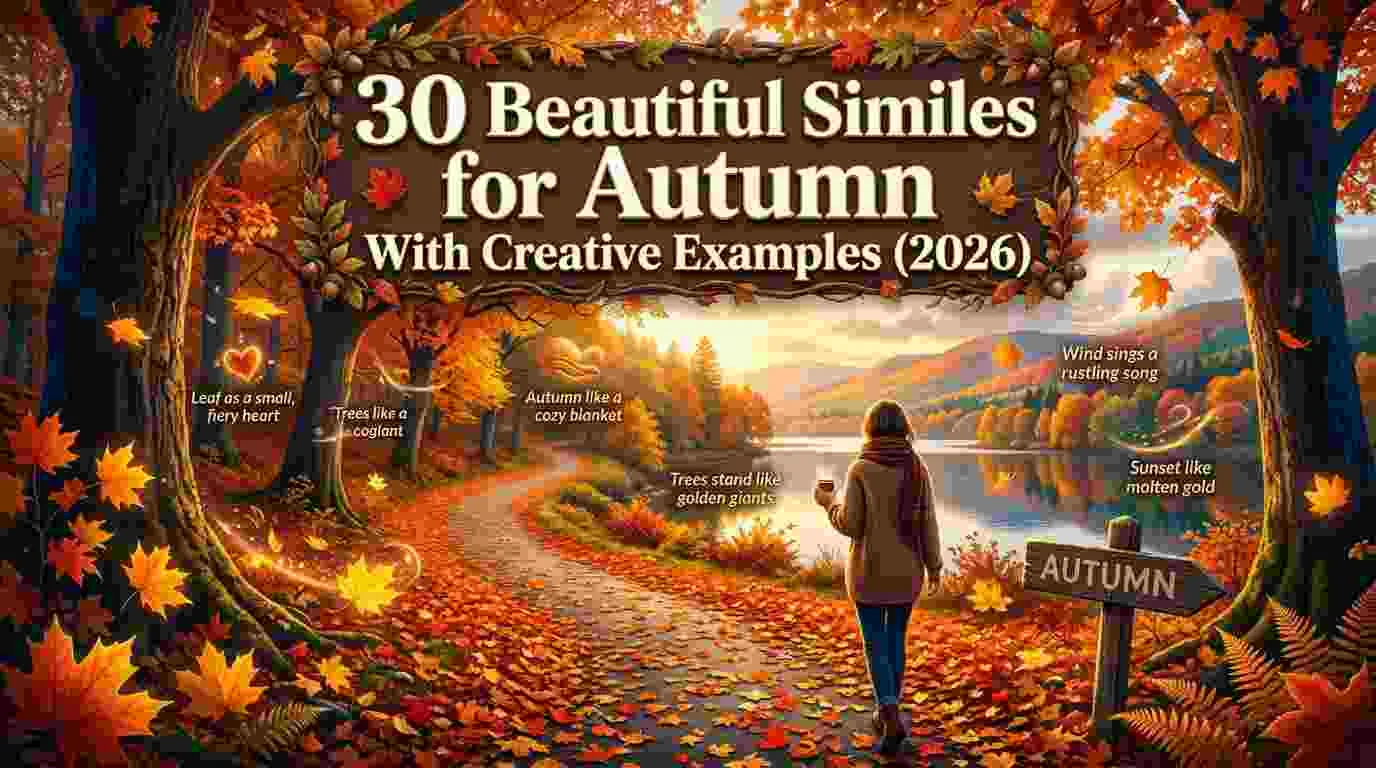
Beautiful Similes for Autumn help writers describe the beauty, colors, emotions, and atmosphere of the fall season with vivid comparisons. Whether you are writing poems, … Read More
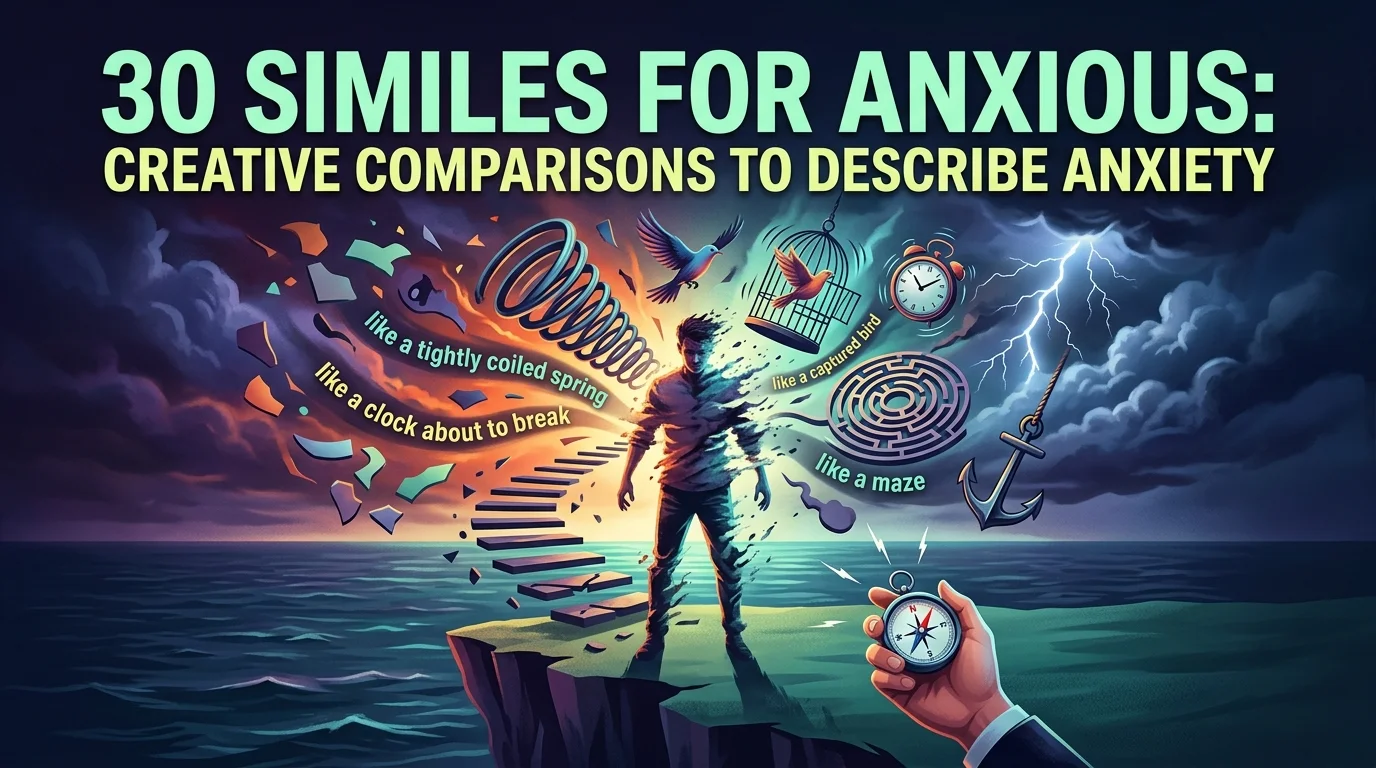
Feeling anxious is a common human experience, but describing it in fresh, vivid ways can make your writing more engaging and relatable. The Best Similes … Read More
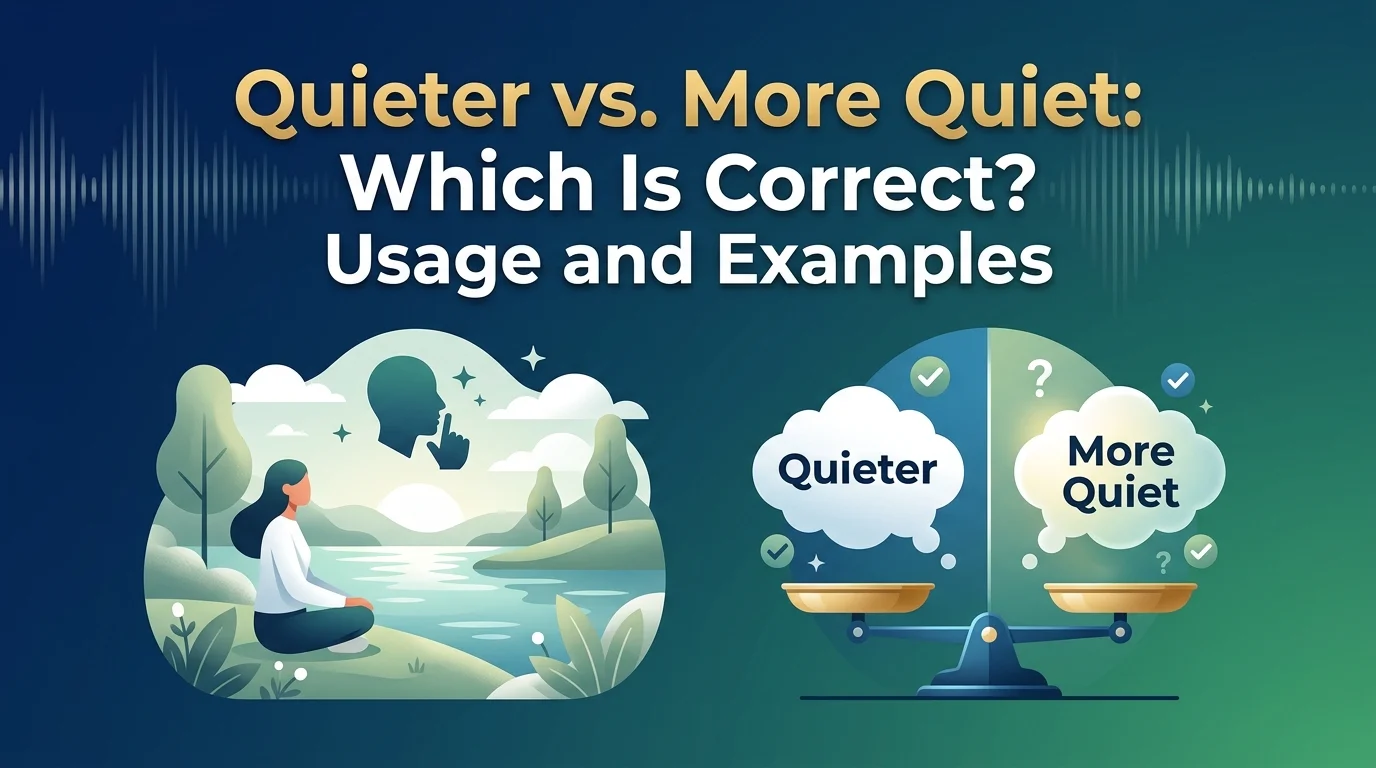
When comparing quieter vs. more quiet, many English learners wonder which form is correct. Both expressions can describe something with less noise, but they are … Read More
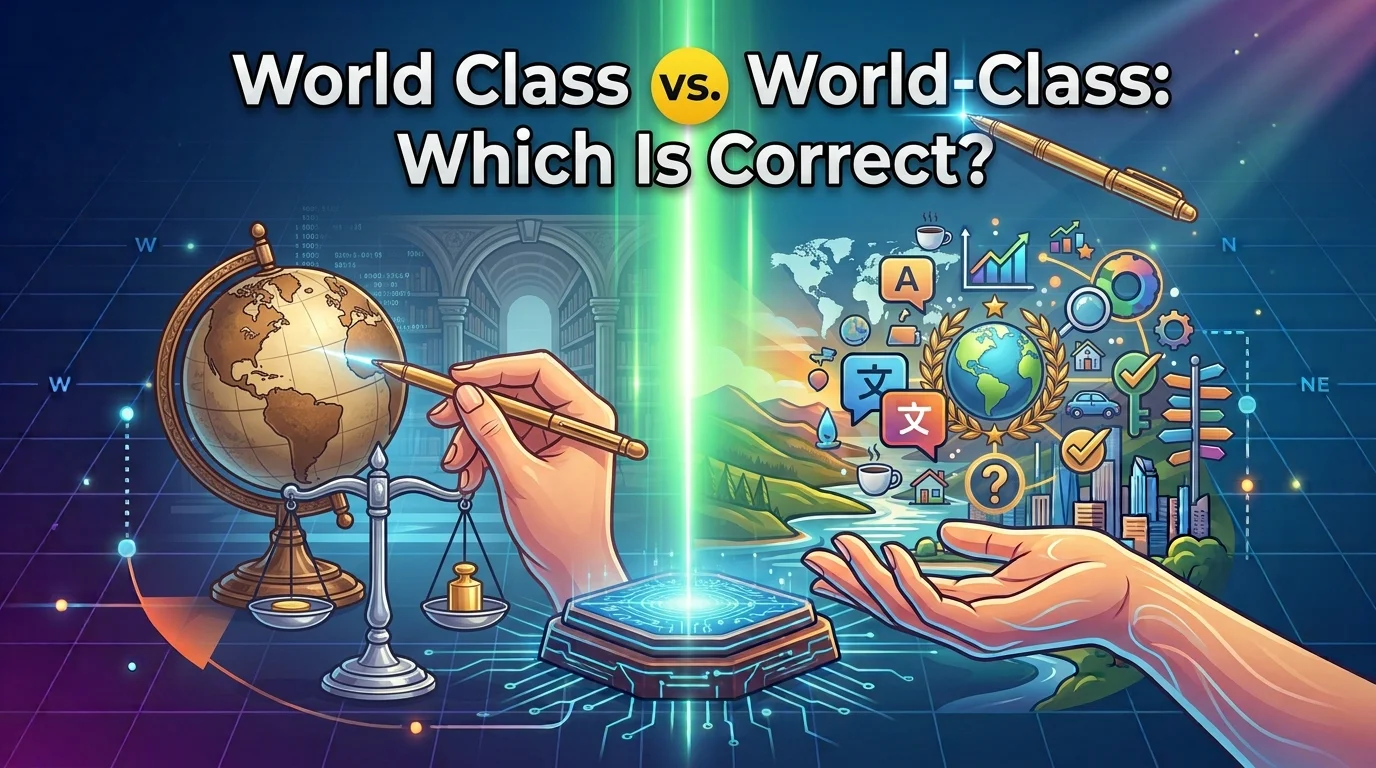
The difference between world class and world-class often confuses English learners and even experienced writers. Although the two forms look almost identical, they are not … Read More
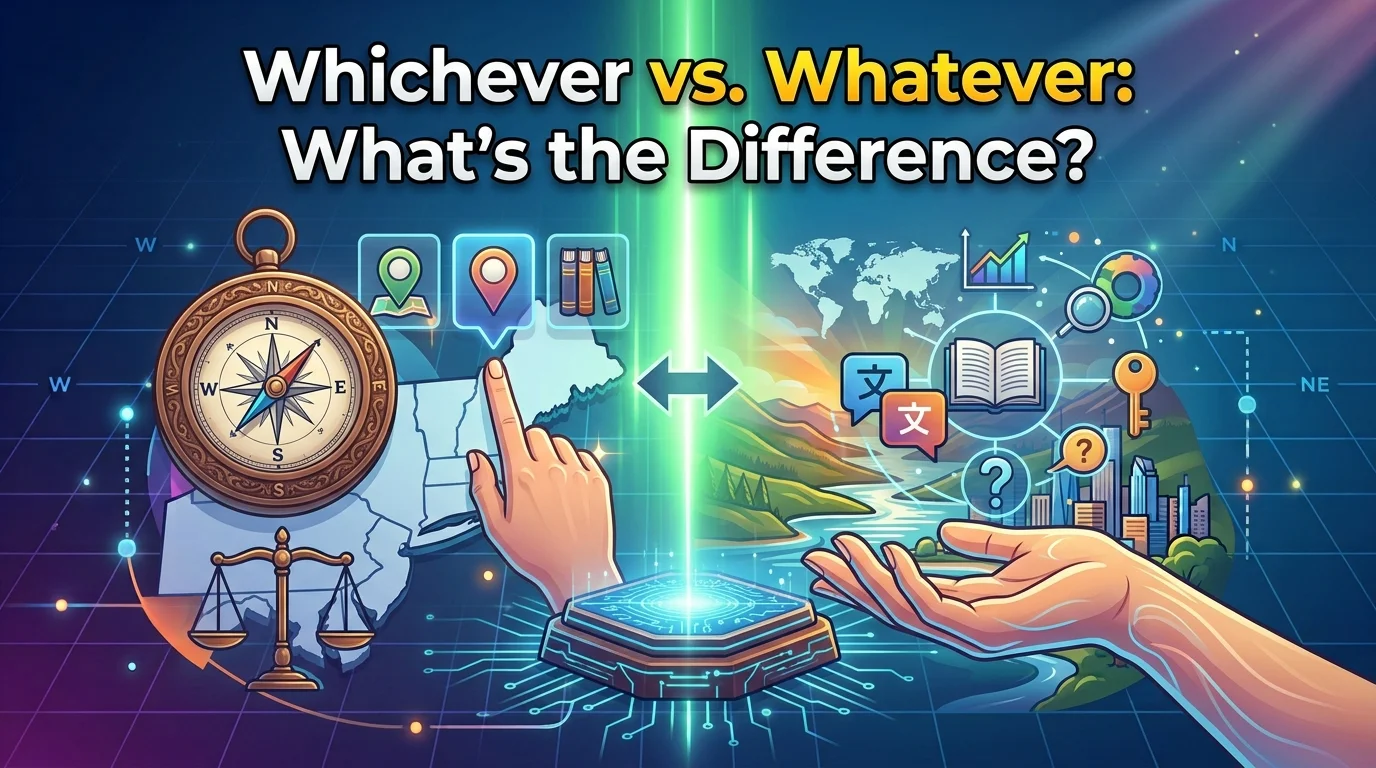
Choosing between whichever vs. whatever can be confusing because both words express an unrestricted choice. However, they are not always interchangeable. Understanding the difference helps … Read More
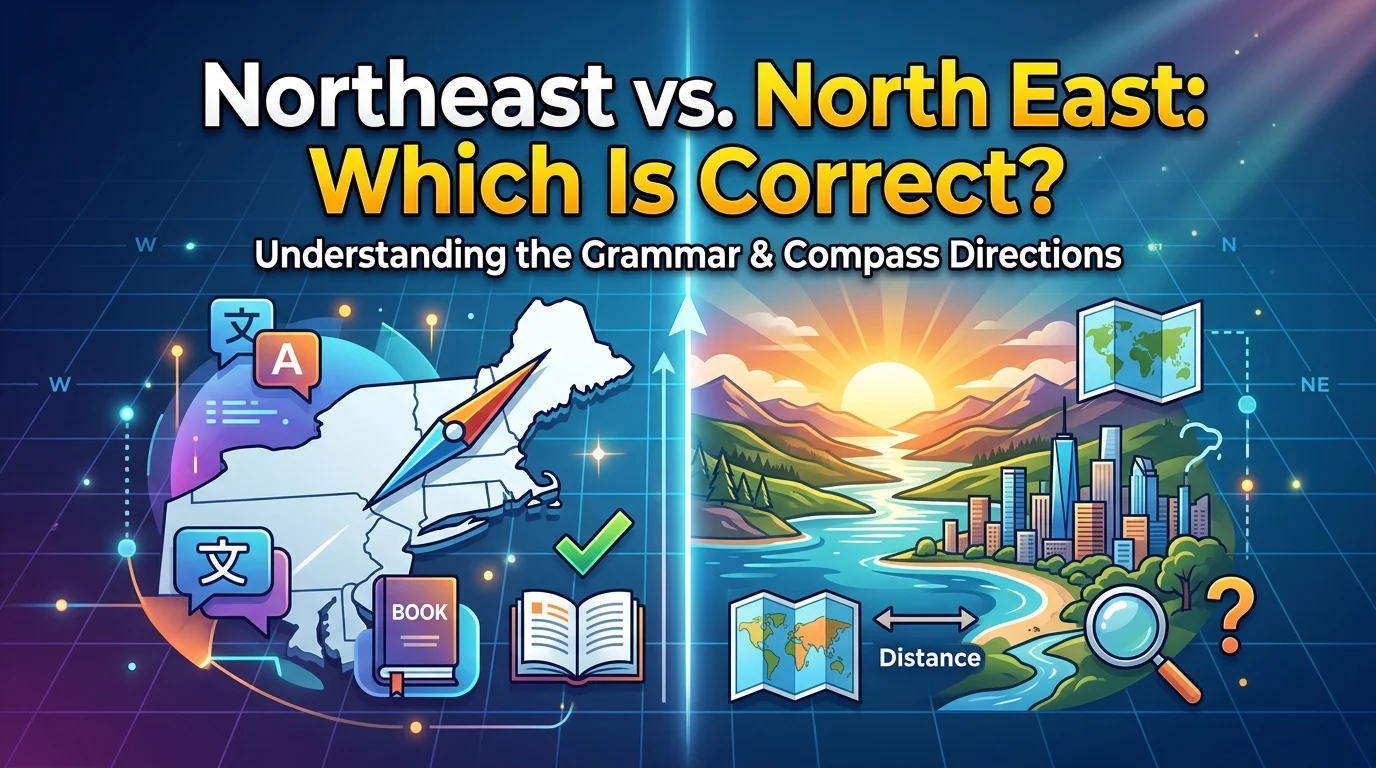
Many English learners get confused by Northeast, North East, vs. North East because they look almost identical. However, spelling, grammar, and context determine which form … Read More
We provide clear, practical, and easy-to-understand grammar resources designed to help students, writers, professionals, and English learners communicate with greater confidence and accuracy.