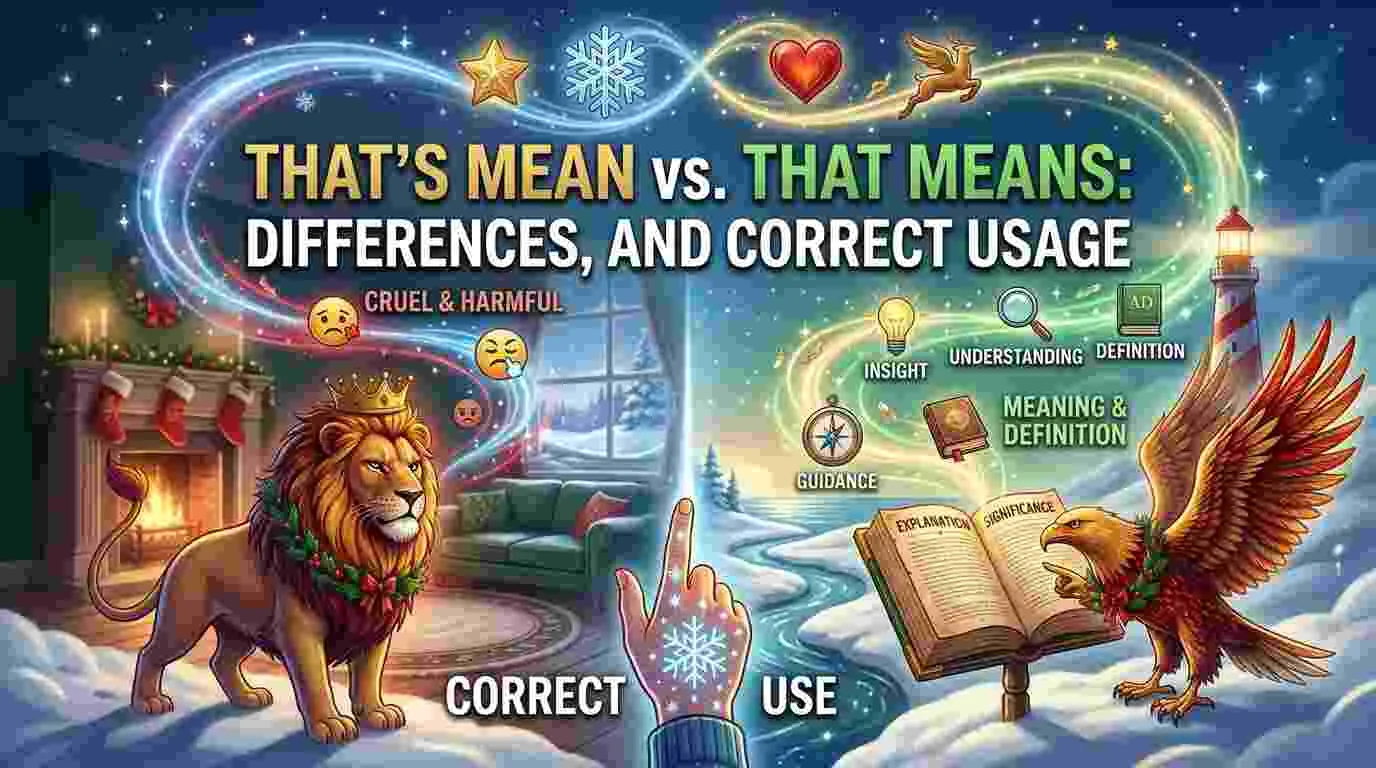
That’s Mean vs. That Means: Differences, and Correct Usage
Many English learners get confused between “that’s mean” vs. “that means” because they sound somewhat similar in casual speech. However, only one of these forms … Read More
Many English learners get confused between “that’s mean” vs. “that means” because they sound somewhat similar in casual speech. However, only one of these forms … Read More

Christmas is a season filled with joy, warmth, kindness, and unforgettable traditions. Using the best Christmas Similes For 2026 can make your writing more colorful, … Read More

Confidence can make a person stand out in any situation, and using vivid similes helps describe that confidence memorably. Whether you are writing a story, … Read More

A smile can brighten a room, reveal emotions, and make writing more vivid. Choosing the right simile helps readers picture a smile more clearly and … Read More
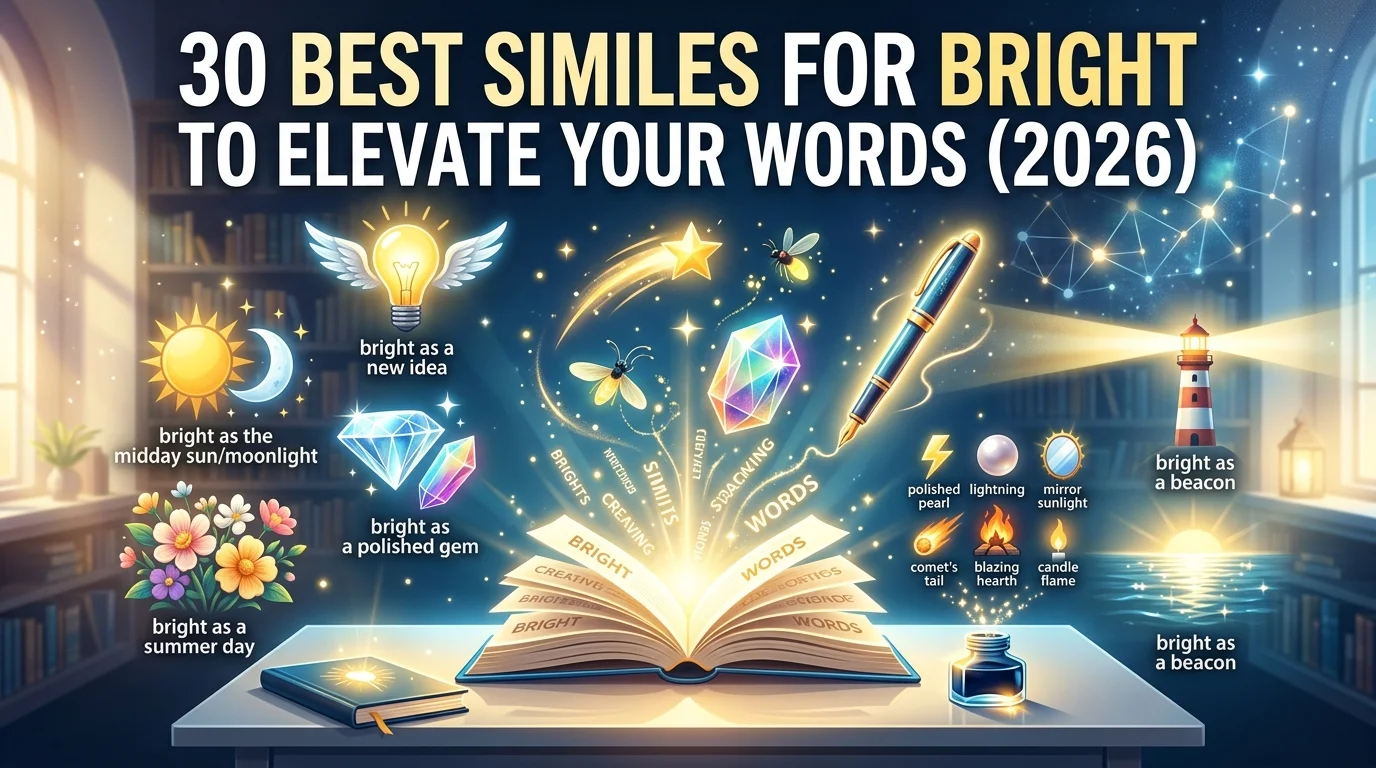
Best Similes for Bright help writers create vivid descriptions that capture attention and paint memorable images. Whether you describe a glowing smile, a shining star, … Read More
The words entwined and intertwined are closely related and are often used interchangeably, which is why they confuse many English learners. Although both describe things … Read More
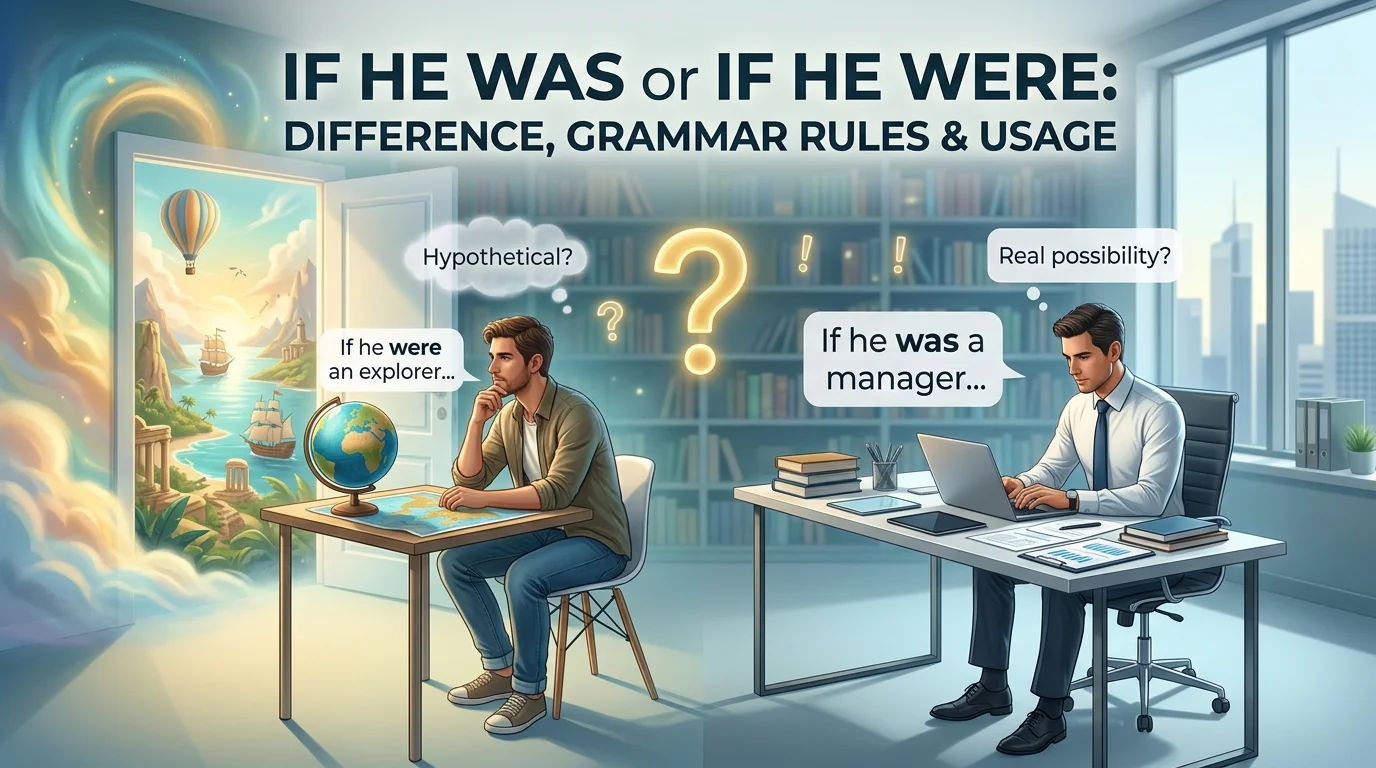
Many English learners wonder whether they should say “if he was” or “if he were.” Although both expressions appear in English, they are not always … Read More
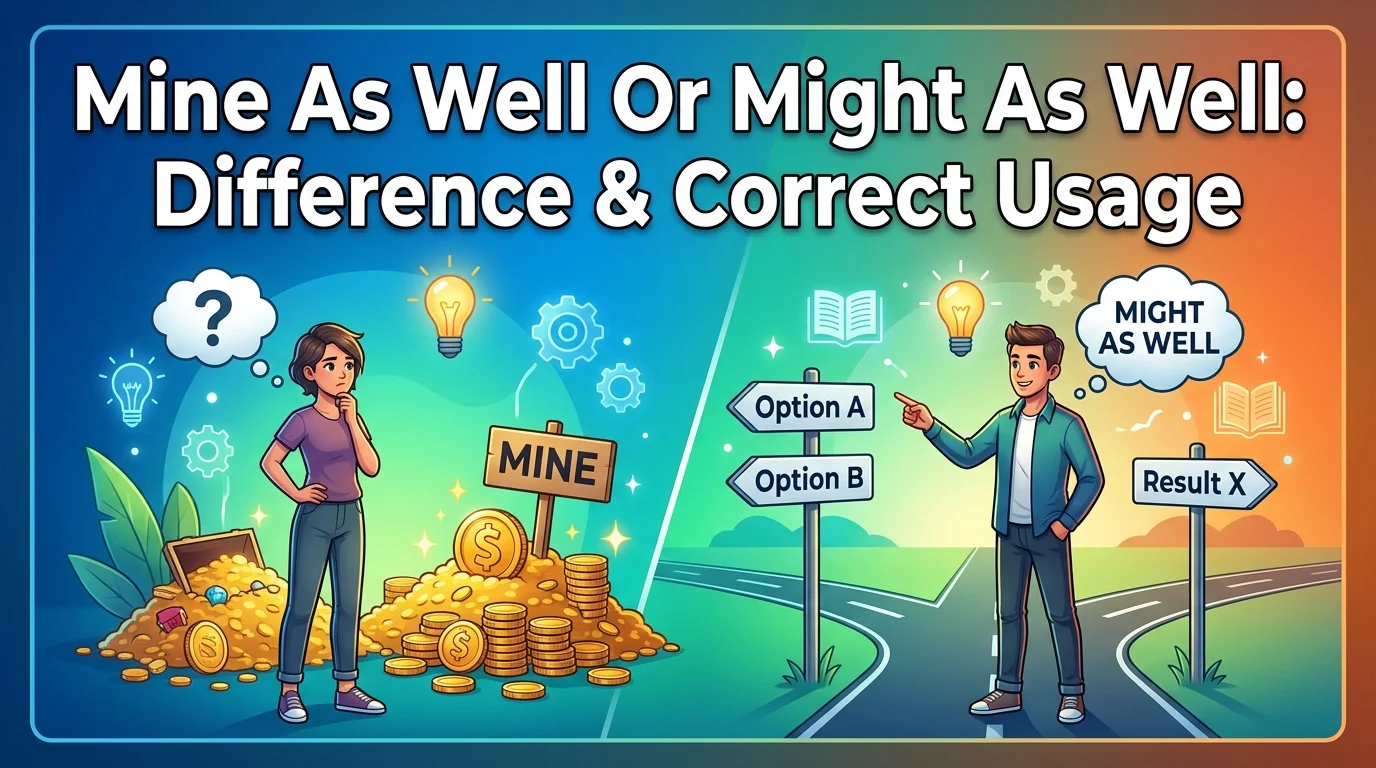
Many English learners get confused between mine as well or might as well because they sound very similar when spoken. However, only one of them … Read More
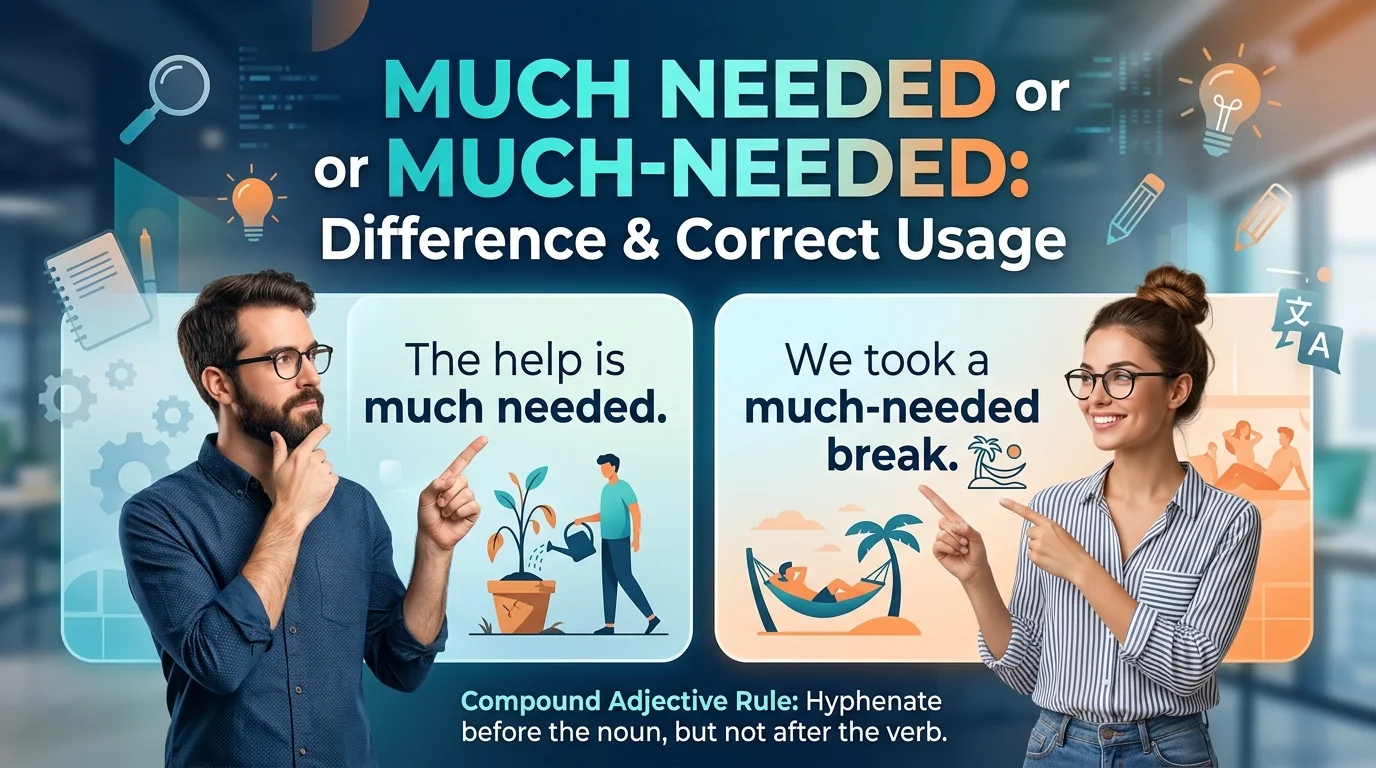
Many English learners get confused between much needed or much-needed because both look almost identical. The difference is not in meaning but in grammar and … Read More
Choosing between simpler or more simple can be confusing because both are grammatically possible in English. However, one form is far more common in everyday … Read More

We provide clear, practical, and easy-to-understand grammar resources designed to help students, writers, professionals, and English learners communicate with greater confidence and accuracy.