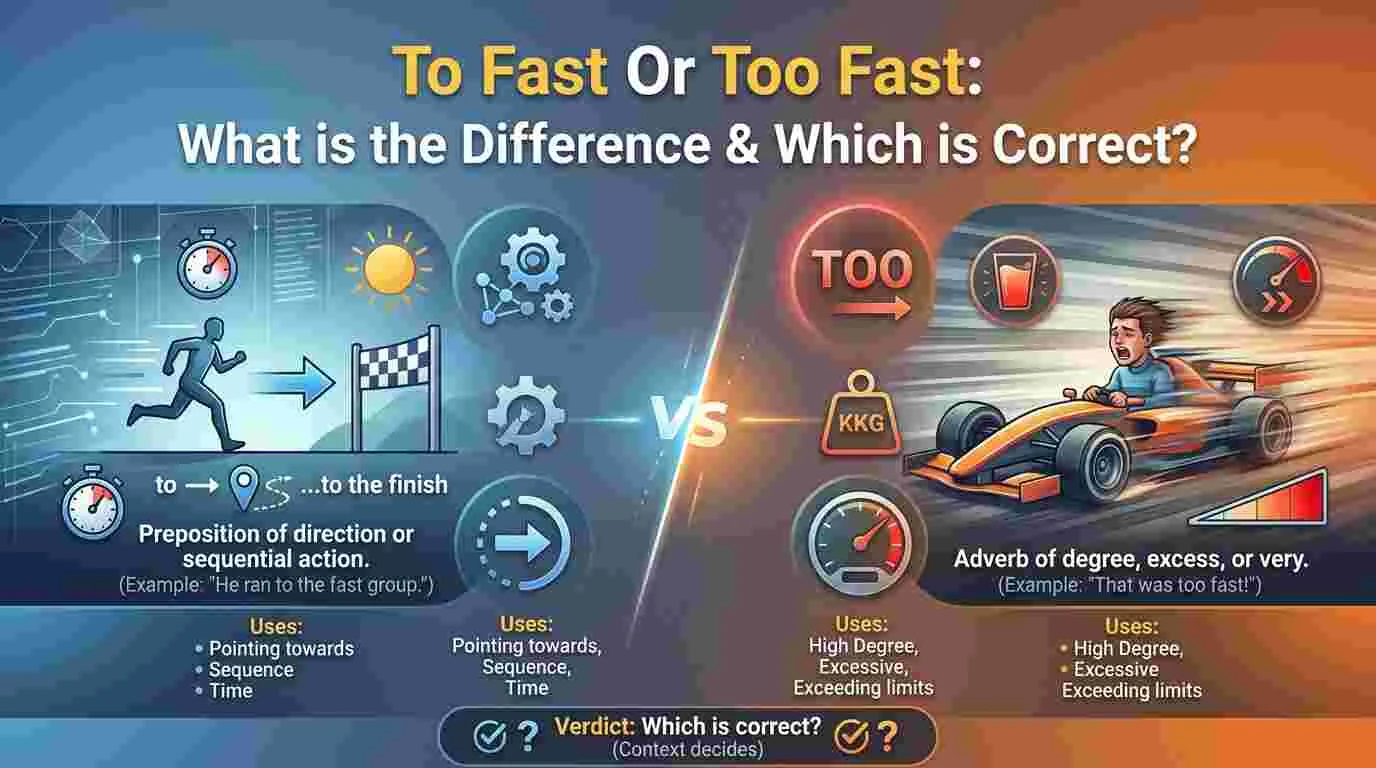
To Fast Or Too Fast: What is the Difference & Which is Correct?
Many learners confuse “to fast” Or “too fast” because they sound almost identical but have completely different meanings. One is a grammatical phrase involving the … Read More
Many learners confuse “to fast” Or “too fast” because they sound almost identical but have completely different meanings. One is a grammatical phrase involving the … Read More
![Setup Vs Set Up: What’s the Difference? [With Correct Examples]](https://grammarlibrary.com/wp-content/uploads/2026/09/setup-vs-set-up-with-grammar.webp)
Many people confuse setup vs. set up because they look almost identical but have different grammatical roles and meanings. While one is usually a noun … Read More
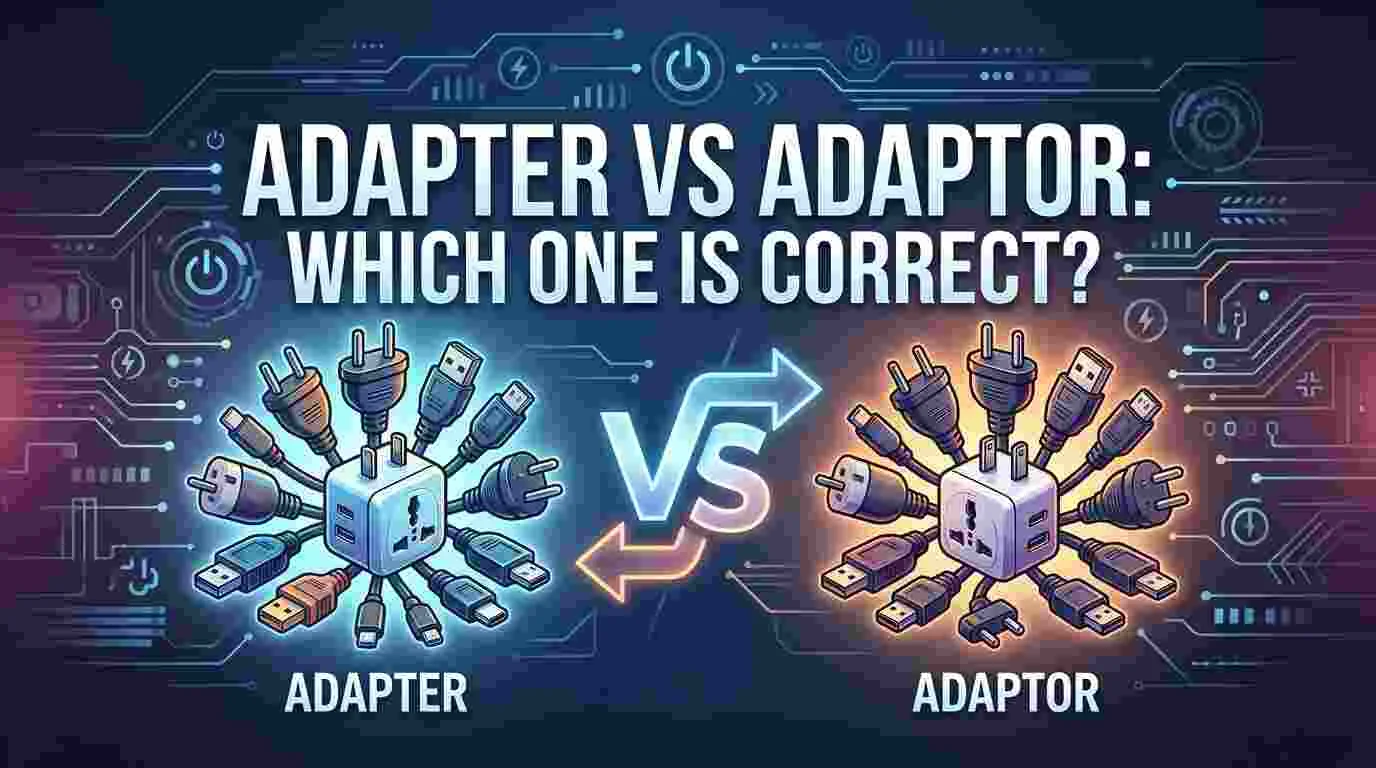
The words “adapter” vs. ” adaptor “ often confuse English learners because they look almost identical and have nearly the same meaning. Both refer to … Read More
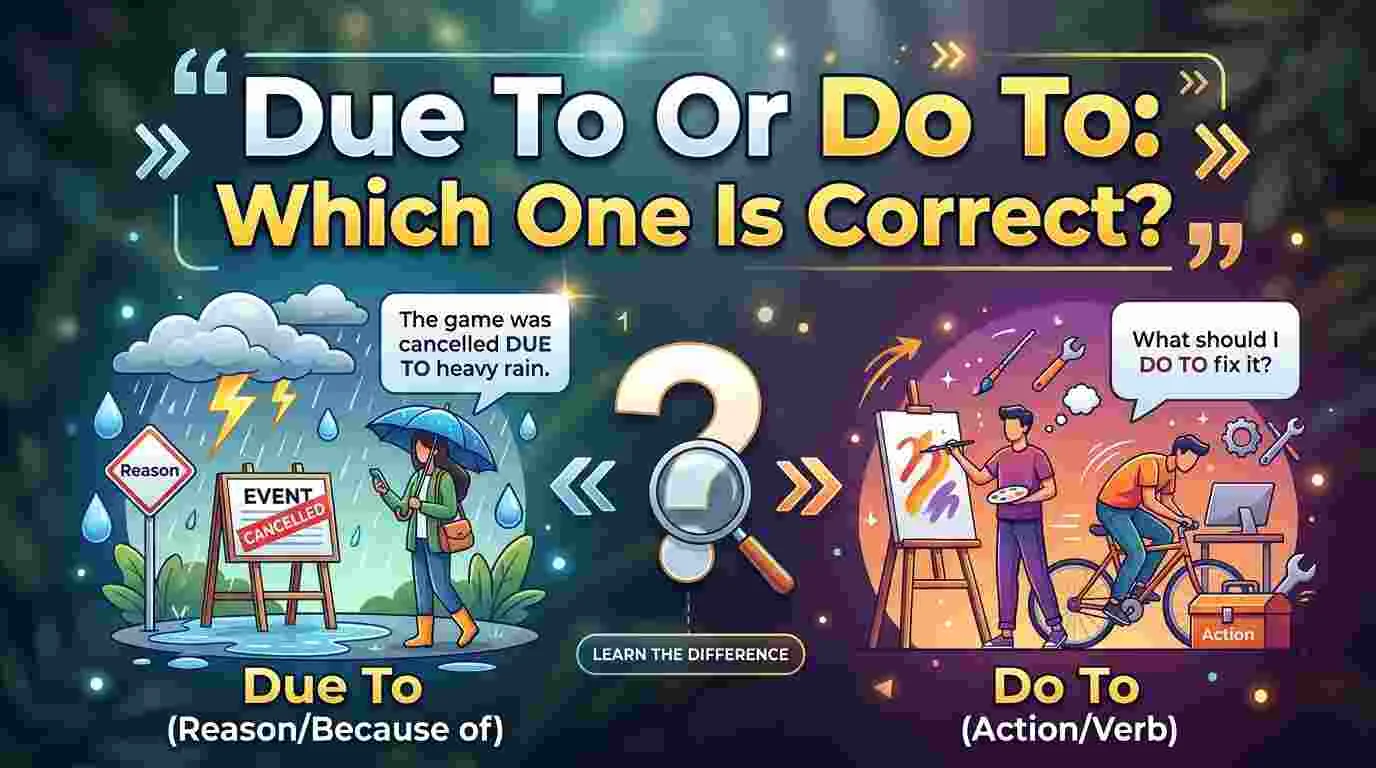
Many English learners confuse “due to” and “do to” because they sound similar when spoken. However, these two phrases have completely different meanings and uses. … Read More
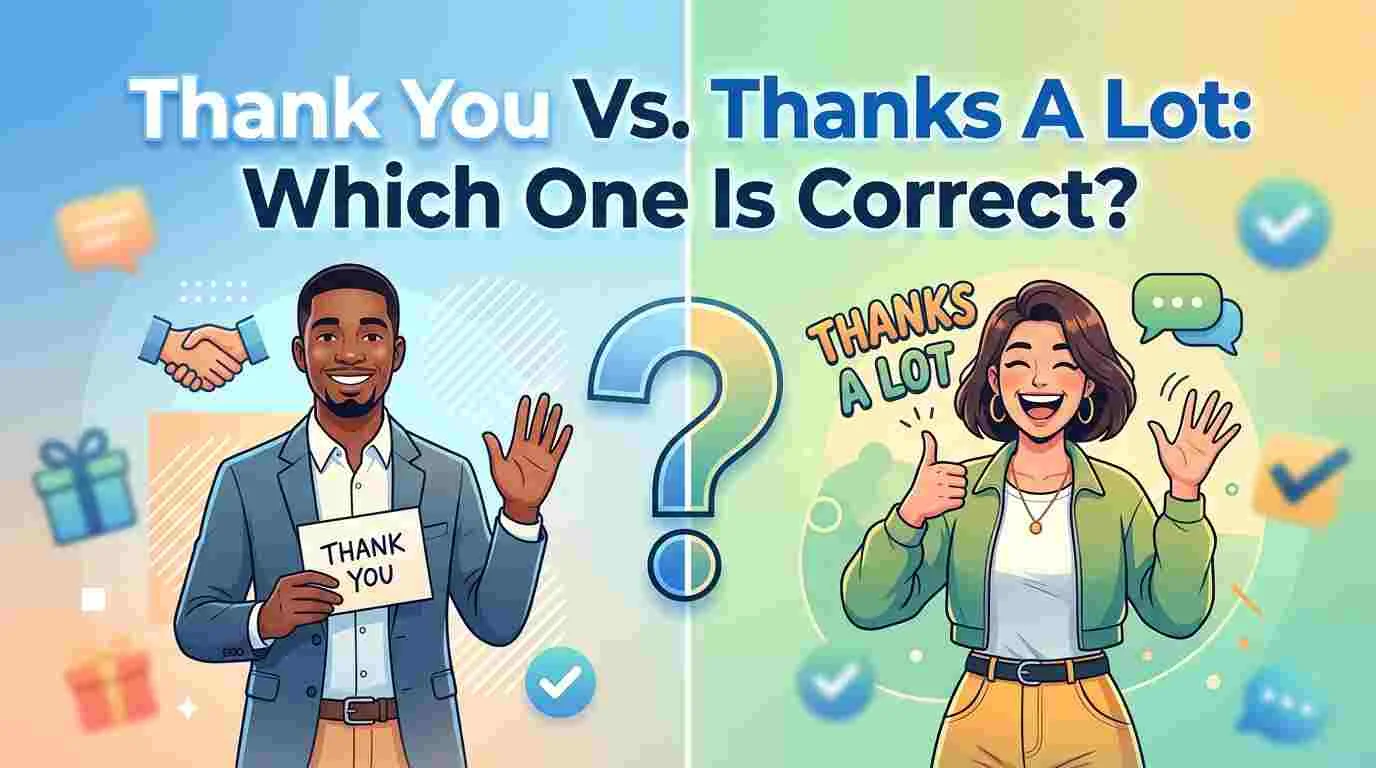
“Thanks a lot” vs. “thank you” are both common ways to show appreciation, but they are not always used in the same situations. Understanding the … Read More
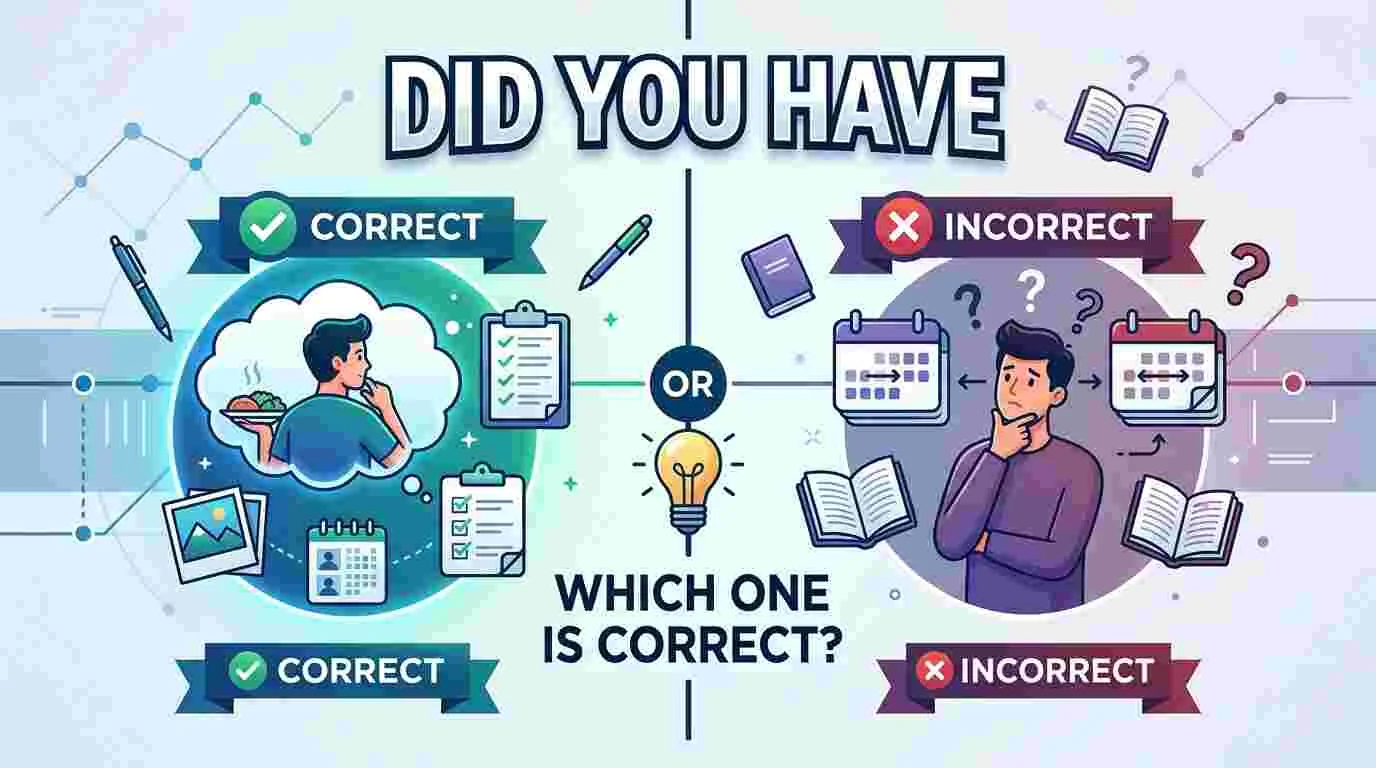
Many English learners wonder whether they should say “did you have” or “did you had.” Although both phrases may sound similar, only one is grammatically … Read More
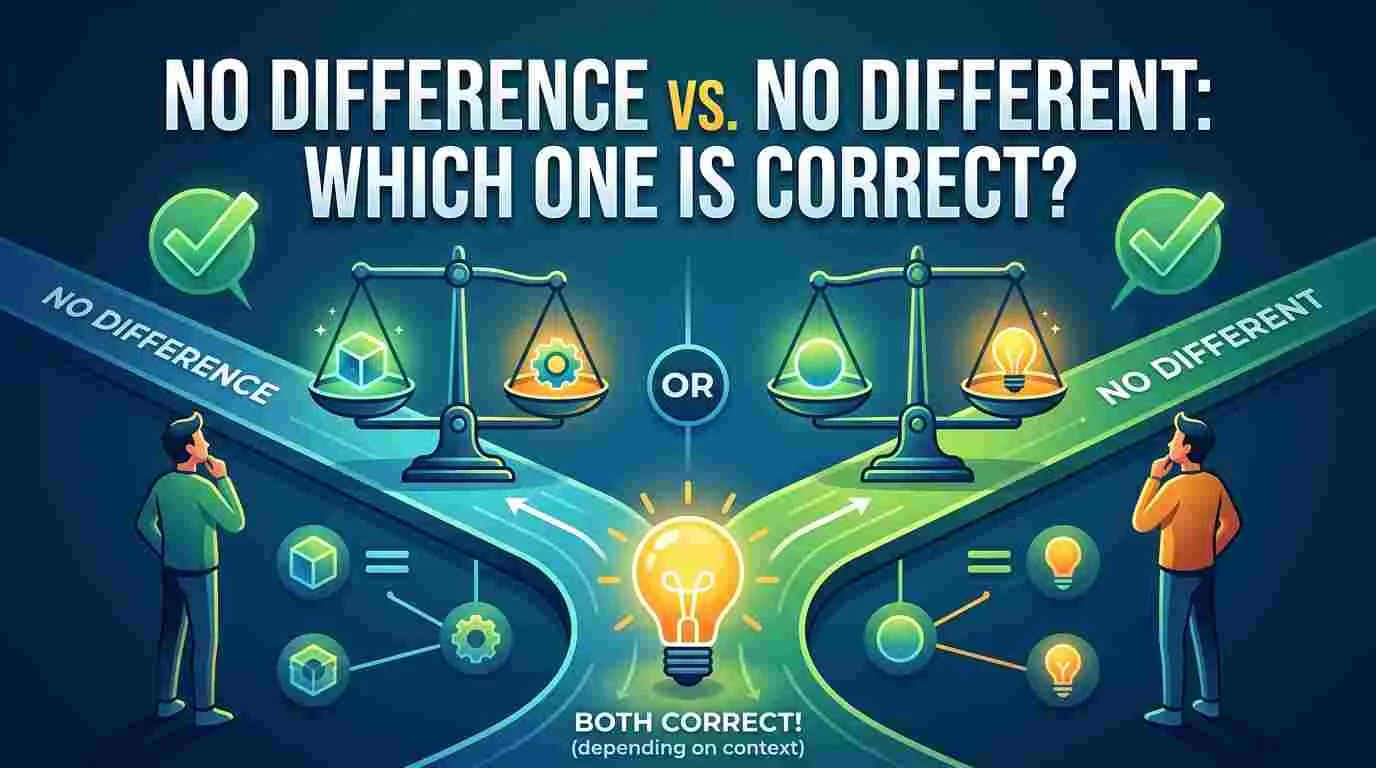
Many English learners get confused between “no difference” and “no different” because they express a similar idea. However, they are not interchangeable in every sentence. … Read More
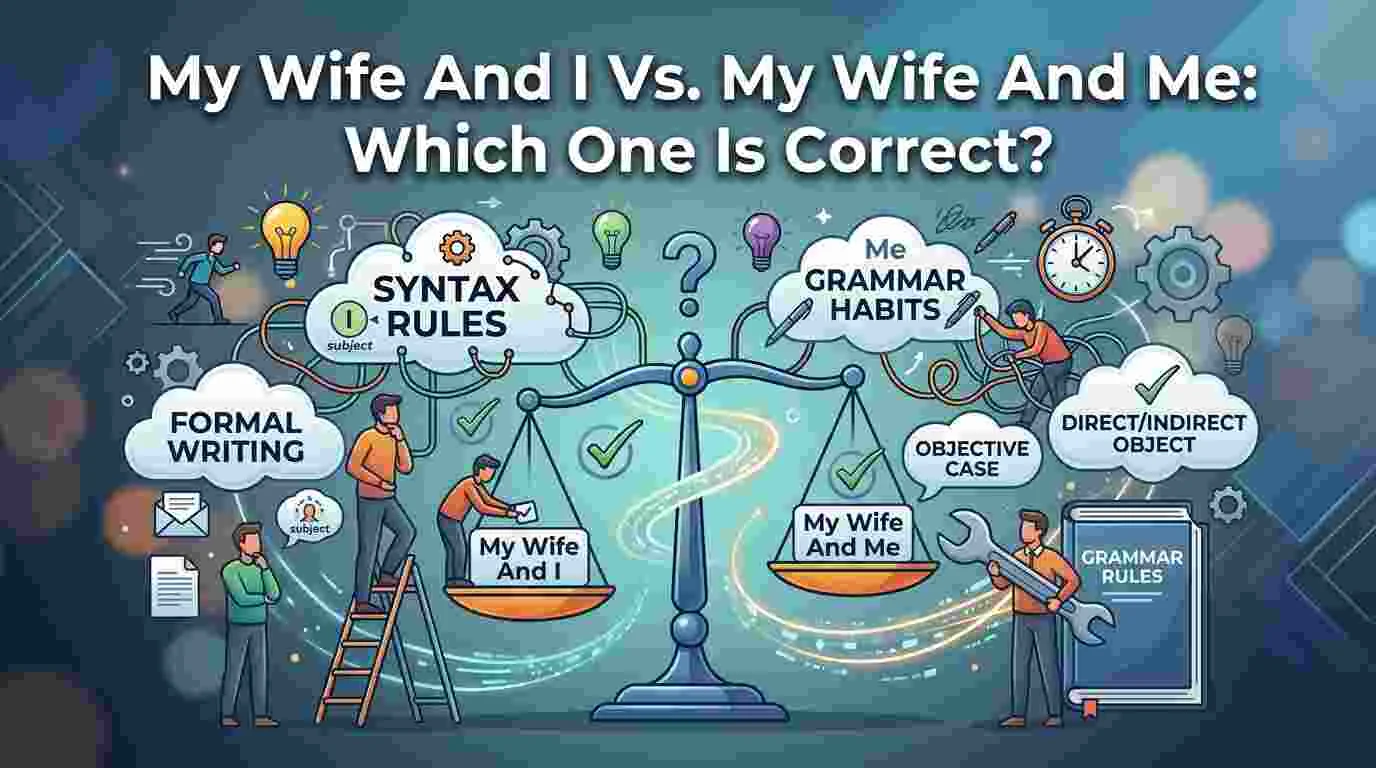
Many English learners wonder whether they should say “my wife and I” vs. “my wife and me.” Although both phrases are correct, they are used … Read More
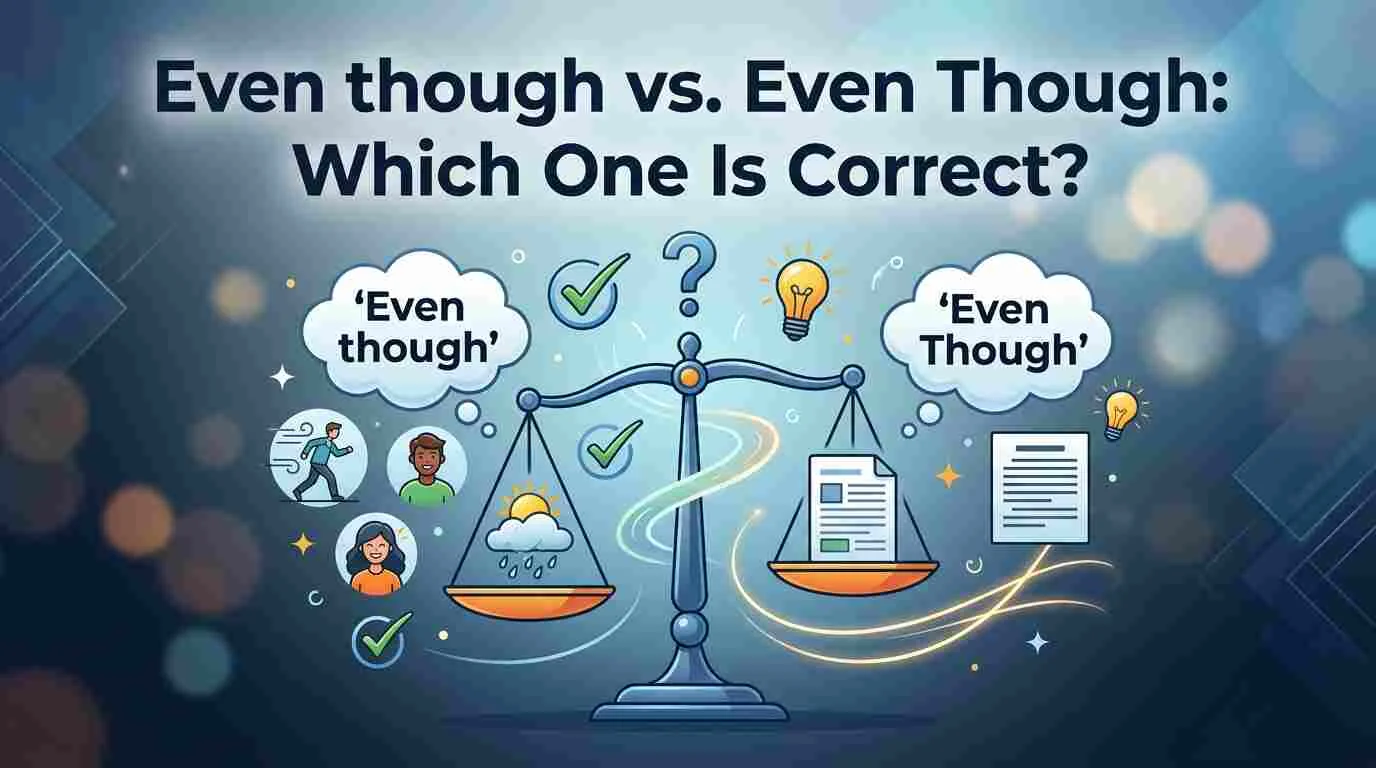
Many English learners get confused between ” even though “ vs. even though because they look almost identical. However, only one of them is considered … Read More
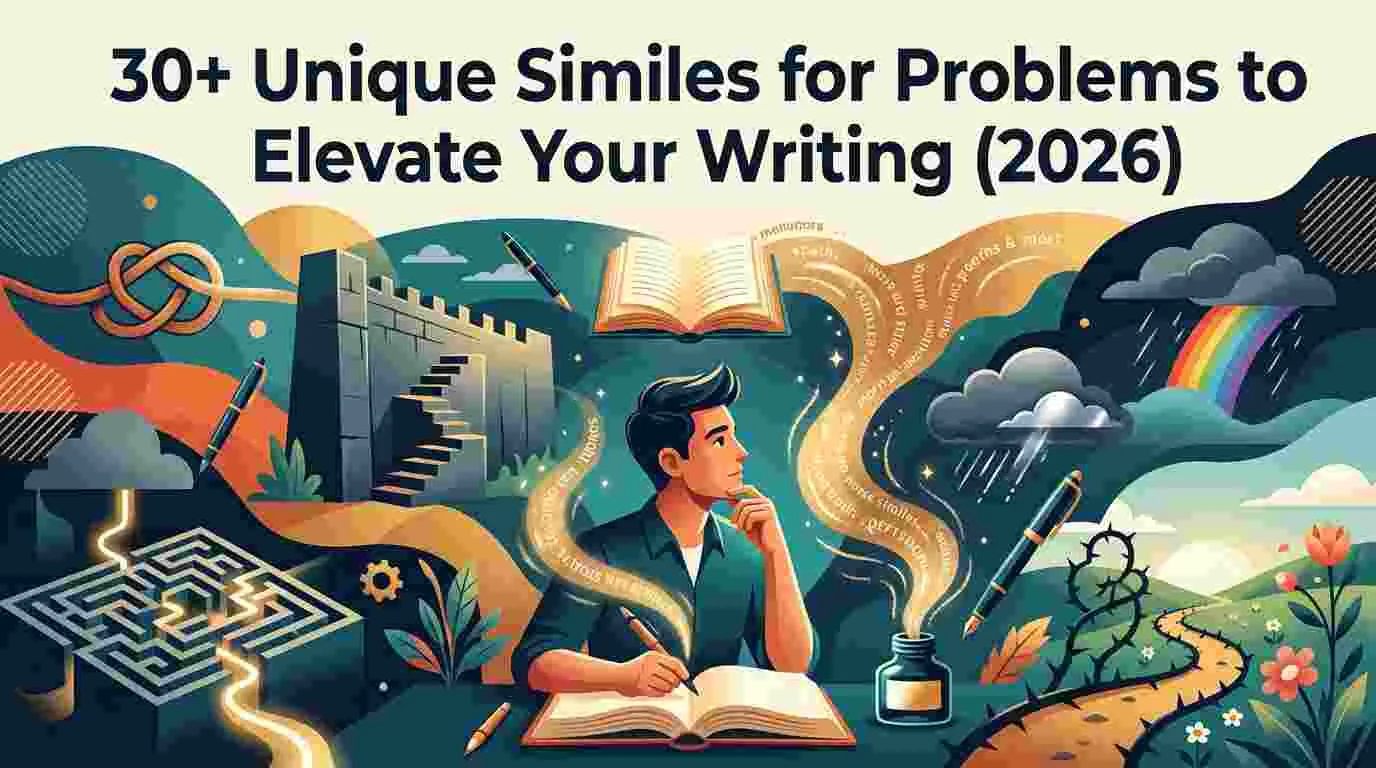
Similes for Problems help writers describe challenges, difficulties, and obstacles more vividly and memorably. Instead of simply saying a problem is “hard” or “complicated,” a … Read More
We provide clear, practical, and easy-to-understand grammar resources designed to help students, writers, professionals, and English learners communicate with greater confidence and accuracy.